Vermiculate Wrasse
Macropharyngodon bipartitus
Also known as: Diamond wrasse, Diamond Wrasse, Divided wrasse, rare wrasse, Rare wrasse
A boldly patterned reef wrasse that rewards patient, experienced keepers.

About
The diamond wrasse (Macropharyngodon bipartitus) is one of the more visually detailed wrasses you'll come across in the saltwater hobby, dressed in a complex maze of spots and vermiculate markings that shift noticeably between juvenile, female, and male phases. Like others in the Macropharyngodon genus, it hails from Indo-Pacific reef systems, where it picks its way across sandy rubble and coral substrate in search of small invertebrates. That natural diet is one of the main reasons this fish carries an intermediate care rating. It needs a mature, well-stocked reef with a living sand bed and plenty of microfauna to graze on, and it can be slow to accept prepared foods. A tank that's too bare or too new tends to spell trouble. The diamond wrasse does best with peaceful tankmates and enough open sandy areas to sleep in at night, since like most wrasses it burrows into the substrate to rest. It's not a fish to drop into a beginner setup, but for a keeper who already understands wrasse behavior and has a settled reef running, it's a genuinely rewarding species to work with. Detailed, active, and full of personality.
Similar species
Other fish you might consider
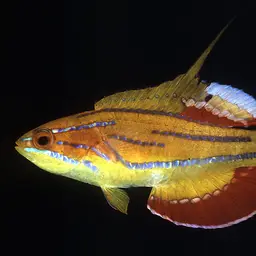
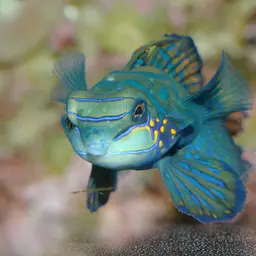
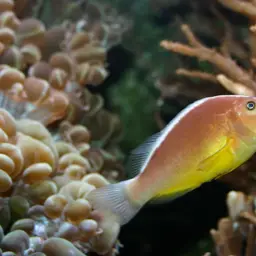
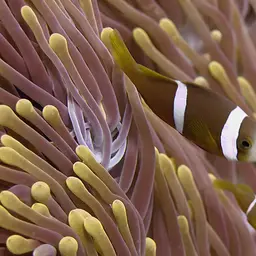
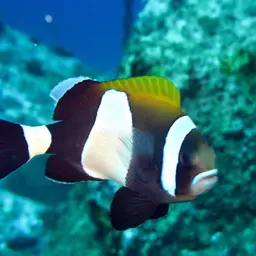
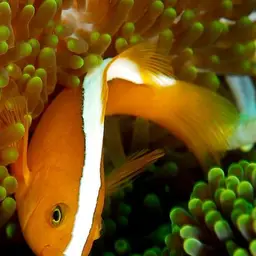
Good tank mates
Species that tend to coexist peacefully with Vermiculate Wrasse
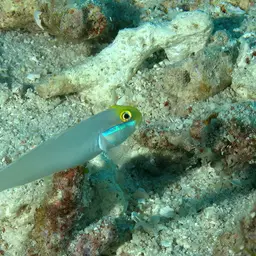
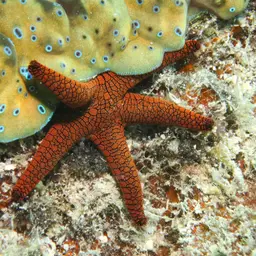
Frequently asked questions
- What water parameters does the Vermiculate Wrasse need?
- The Vermiculate Wrasse does best with a temperature of 72–82°F, a pH of 8–8.4.
- Is the Vermiculate Wrasse aggressive?
- The Vermiculate Wrasse is generally peaceful and suits a community tank with similarly calm tankmates.
- What does the Vermiculate Wrasse eat?
- The Vermiculate Wrasse is a carnivore. It needs a meaty, protein-rich diet of frozen or live foods.
- Is the Vermiculate Wrasse reef safe?
- The Vermiculate Wrasse is generally considered reef safe.