Aquariumpro
πŸ”
← Back to species
FishSaltwaterIntermediateSemi aggressive

Maroon Clownfish

Premnas biaculeatus

Also known as: Spinecheek anemonefish, Spinecheek Anemonefish, spinedcheek anemonefish, spinedcheeked anemonefish

The boldest clownfish in the hobby, and it knows it.

Maroon Clownfish
1 / 22
CC BY-SA 3.0

About

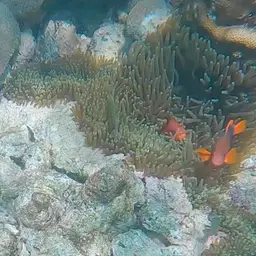
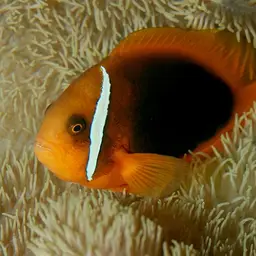
The spinecheek anemonefish (Premnas biaculeatus) is the largest and arguably most aggressive of all the clownfish, and that reputation is well-earned. In the wild it ranges across the Indo-West Pacific, from India through the Indo-Australian Archipelago to the Solomon Islands and northern Australia, where it lives in pairs on lagoon and coastal reef systems, almost exclusively hosted by the bubble-tip anemone Entacmaea quadricolor. That association is worth taking seriously in the aquarium. Keeping one with its host anemone isn't just a nice touch, it's genuinely good husbandry. What sets this species apart visually is the pair of sharp spines on each cheek, a feature no other clownfish has, along with a deep burgundy-red coloration and bold white bands that become more dramatic as the fish matures. Like other clownfish, pairs show strong sexual size dimorphism. Females grow considerably larger than males and tend to dominate the dynamic. That personality extends to tankmates: this fish can be highly territorial, and pairing it with other clownfish or similarly sized fish in a smaller system is asking for trouble. Captive-bred specimens are widely available and tend to settle in more readily, making this an achievable species for intermediate keepers willing to respect its space requirements and assertive personality.

Varieties & strains

4 recognized strains of Maroon Clownfish.

Gold Stripe MaroonThe Gold Stripe Maroon is defined by its three broad, gold-to-yellow stripes set against a deep burgundy-red body β€” a combination that looks almost metallic under aquarium lighting. Juveniles typically show white stripes that gradually transition to gold as the fish matures, usually becoming fully golden around 2–3 years old. This is the most widely kept Maroon variant. When selecting, look for even stripe width and a rich, dark body color; faded or blotchy stripes can indicate stress or poor genetics. Like all Maroons, these fish are notably aggressive β€” plan tankmate selection carefully and give them a large anemone host if possible.White Stripe MaroonWhite Stripe Maroons carry the classic three crisp, bright-white stripes on that signature deep maroon body β€” essentially the 'standard' patterning most people picture when they think of this species. The stripes remain white throughout the fish's life, unlike the Sumatran Gold Stripe form. Body color ranges from a brownish-red in juveniles to a rich, dark burgundy in large adults, particularly in females. These are widely captive-bred and generally considered slightly hardier than some designer variants. Avoid specimens with thin, broken, or yellowing stripes, as that can hint at hybridization or subpar husbandry history.Lightning MaroonThe Lightning Maroon is immediately unmistakable: its white stripes fragment and branch into wild, irregular lightning bolt patterns across the entire body, sometimes extending into isolated spots and swirls that make every individual unique. This is arguably the most visually spectacular clownfish strain in the hobby. The Lightning pattern is caused by a recessive genetic mutation, and captive breeding programs have established consistent production of Lightning offspring. When buying, understand that pattern intensity and complexity vary β€” some fish show finer, denser branching while others are simpler. Pair them carefully; Maroons are still highly aggressive regardless of how stunning they look.Gold Nugget MaroonGold Nugget Maroons β€” also sold as Gold Flake Maroons β€” display the Lightning Maroon's fragmented, branching stripe pattern but expressed in gold rather than white, creating a dramatic mosaic of gold splotches and irregular markings over a deep maroon body. The gold coloration develops with age, so juveniles may show less impressive patterning than adults; buy with that trajectory in mind. Because this variant combines two complex traits (Lightning pattern + Gold stripe genetics), it remains relatively rare and commands premium prices. Captive-bred specimens are strongly preferred β€” wild-caught examples with this pattern combination are essentially nonexistent as a reliable source.

Frequently asked questions

How big does the Maroon Clownfish get?
The Maroon Clownfish reaches about 4–6.5" as an adult.
What size tank does the Maroon Clownfish need?
A minimum of 75 gallons is recommended for the Maroon Clownfish.
What water parameters does the Maroon Clownfish need?
The Maroon Clownfish does best with a temperature of 72–82Β°F, a pH of 8–8.4.
Is the Maroon Clownfish aggressive?
The Maroon Clownfish is semi-aggressive. It can work in a community with careful tankmate choices and enough space.
What does the Maroon Clownfish eat?
The Maroon Clownfish is an omnivore. It does well on a varied diet of quality flake or pellet plus occasional frozen or live foods.
How long does the Maroon Clownfish live?
With good care, the Maroon Clownfish typically lives 2-5 years.
Is the Maroon Clownfish reef safe?
The Maroon Clownfish is generally considered reef safe.