Whalesucker
Remora australis
The open-ocean hitchhiker that bonds with whales and baffles hobbyists.

About
The whalesucker (Remora australis) is one of the more unusual fish you'll ever encounter in the saltwater world, and keeping one in captivity is essentially a project for institutions rather than home hobbyists. In the wild, this species spends its life in the open ocean attached to cetaceans, primarily whales and dolphins, using a highly modified dorsal fin that functions as a powerful adhesive disc. The relationship is generally considered commensal: the whalesucker gets a free ride, a meal of scraps and parasites, and protection, while the host appears largely unaffected. Found throughout tropical and subtropical seas, it can grow to a respectable length and has a streamlined, muscular body built for life in fast-moving pelagic water. In captivity, the practical challenges are immense. A tank of at least a thousand gallons is the starting point, and that doesn't solve the deeper problem. This fish is psychologically and physiologically adapted to life attached to a large moving host. Even expert-level marine hobbyists rarely attempt to keep remoras long-term, and the whalesucker's specialization makes it arguably the most impractical species in this entire family. Fascinating to observe in the wild, but best appreciated there.
Similar species
Other fish you might consider
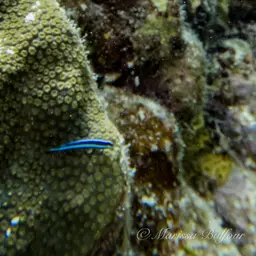
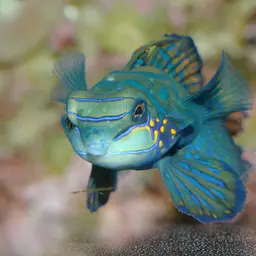
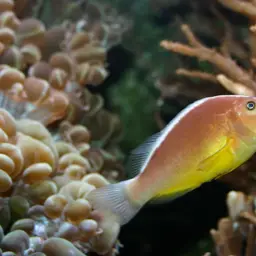
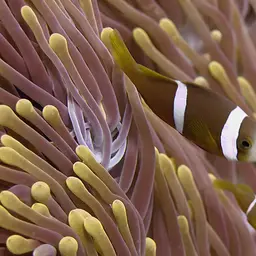
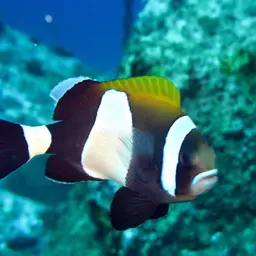
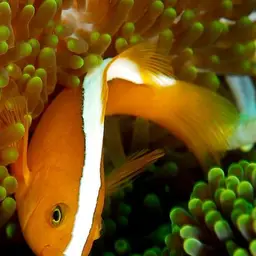
Good tank mates
Species that tend to coexist peacefully with Whalesucker
Frequently asked questions
- How big does the Whalesucker get?
- The Whalesucker reaches about 9–30" as an adult.
- What size tank does the Whalesucker need?
- A minimum of 1000 gallons is recommended for the Whalesucker.
- What water parameters does the Whalesucker need?
- The Whalesucker does best with a temperature of 72–82°F, a pH of 8–8.4.
- Is the Whalesucker aggressive?
- The Whalesucker is generally peaceful and suits a community tank with similarly calm tankmates.
- What does the Whalesucker eat?
- The Whalesucker is a carnivore. It needs a meaty, protein-rich diet of frozen or live foods.
- How long does the Whalesucker live?
- With good care, the Whalesucker typically lives 10-15 years.