Tunga Garra
Garra bicornuta
The only Garra with paired facial horns that flex when things get heated.

About
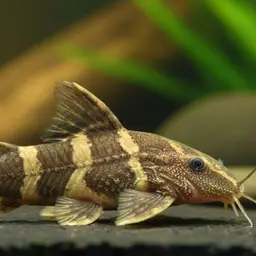
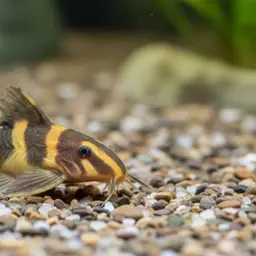
The Tunga Garra (Garra bicornuta) is one of the more visually distinctive members of a large and complicated genus, instantly recognizable by the pair of flexible rostral projections on its snout. A feature unique within Garra. Only males develop these prominent "horns," and dominant individuals sport the most dramatic versions. The fish actually raises them when agitated or sparring, making aggression displays oddly fascinating to watch. A vivid blue spot on the gill cover, ringed with gold blotches, adds another reliable identification marker and sets it apart from lookalikes like G. fuliginosa. In the wild it inhabits fast-flowing mountain streams in the Western Ghats region of India, specifically the Thunga river system and surrounding drainages in Karnataka and Maharashtra. In the aquarium, this species keeps you on your toes. It can be territorial, particularly around food, and will chase fish that wander too close. Keeping a group of three or four individuals actually helps, because the fish establish a pecking order among themselves and tend to leave unrelated tankmates alone. Active, robust cyprinids make the best companions; slow-moving or long-finned fish are a poor match. Other bottom-dwellers of similar body shape are generally a bad idea unless you have a very large setup. This is an intermediate-level fish that rewards a thoughtful approach to stocking.
Similar species
Other fish you might consider
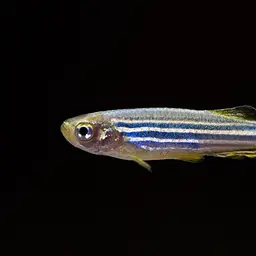
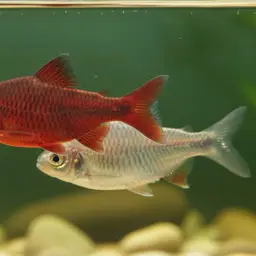
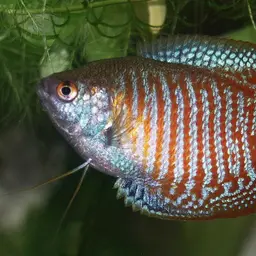
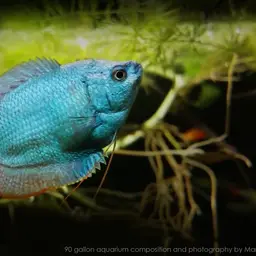
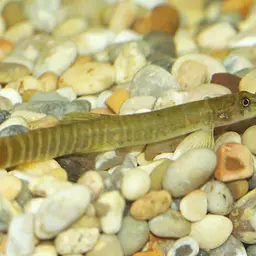
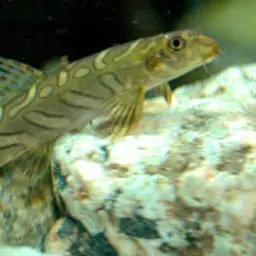
Good tank mates
Species that tend to coexist peacefully with Tunga Garra
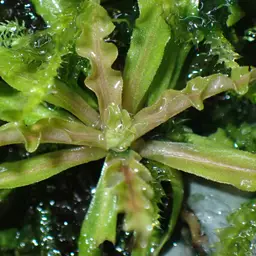
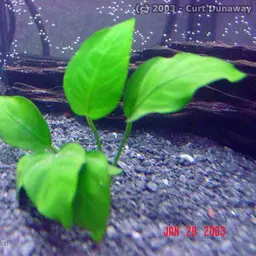
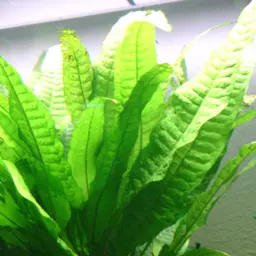
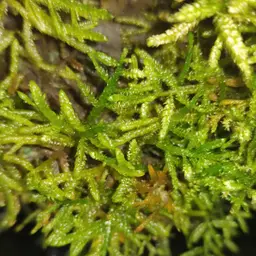
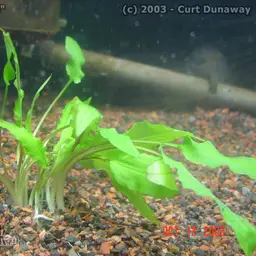
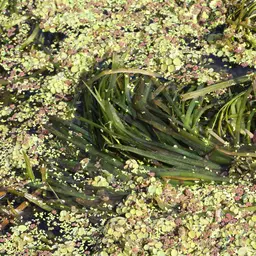
From the same region
Share the same natural habitat. Great for a biotope-themed tank
Frequently asked questions
- How big does the Tunga Garra get?
- The Tunga Garra reaches about 3.5–6" as an adult.
- What size tank does the Tunga Garra need?
- A minimum of 43 gallons is recommended for the Tunga Garra.
- What water parameters does the Tunga Garra need?
- The Tunga Garra does best with a temperature of 68–81°F, a pH of 6–8, hardness around 2–12 dGH.
- Is the Tunga Garra aggressive?
- The Tunga Garra is aggressive and is best kept alone or with robust tankmates that can hold their own.
- What does the Tunga Garra eat?
- The Tunga Garra is an omnivore. It does well on a varied diet of quality flake or pellet plus occasional frozen or live foods.
- How long does the Tunga Garra live?
- With good care, the Tunga Garra typically lives 5-8 years.