Goldspotted Angelfish
Apolemichthys xanthopunctatus
Also known as: Golden Spotted Angelfish
A rare, gold-flecked angel from remote Pacific atolls that few hobbyists ever see in person.

About
The golden spotted angelfish (Apolemichthys xanthopunctatus) is one of those species that stops you in your tracks the first time you see it. The body is a rich golden-yellow scattered with small darker spots, giving it a texture unlike most other angelfish you'll encounter. The face tends to be darker, sometimes with bluish tones around the lips, and the overall silhouette is the classic medium-bodied Apolemichthys shape. Deep, rounded, and deliberate in its movements. In the wild, this species is closely associated with remote central Pacific atolls, particularly around the Gilbert Islands and similar isolated reef systems, which goes a long way toward explaining why it shows up so rarely in the hobby. Collection is difficult simply because of where these fish live, so when one does appear for sale, expect a serious price tag. In the aquarium, it behaves much like its relatives. Curious, not especially aggressive toward unrelated species, but liable to cause trouble with ornamental invertebrates given the chance. This is not a beginner fish. Between the cost, the adjustment period these fish often need, and their sensitivity to water quality, the golden spotted angelfish is best kept by someone who already has a few angelfishes under their belt.
Similar species
Other fish you might consider
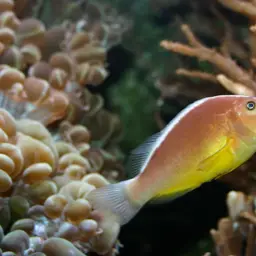
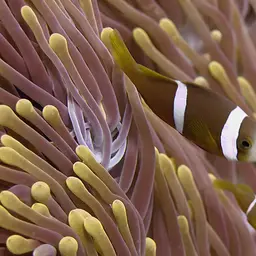
Good tank mates
Species that tend to coexist peacefully with Goldspotted Angelfish
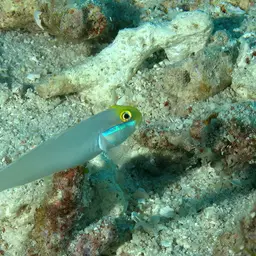
Frequently asked questions
- What water parameters does the Goldspotted Angelfish need?
- The Goldspotted Angelfish does best with a temperature of 72–82°F, a pH of 8–8.4.
- Is the Goldspotted Angelfish aggressive?
- The Goldspotted Angelfish is generally peaceful and suits a community tank with similarly calm tankmates.
- Is the Goldspotted Angelfish reef safe?
- The Goldspotted Angelfish is not considered reliably reef safe and may harm corals or invertebrates.