Bluegray Mbuna
Melanochromis johanni
Also known as: blue mbuna
A Lake Malawi rock-dweller with bold colors and bolder attitude.

About
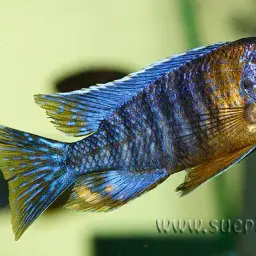
The bluegray mbuna (Melanochromis johanni) is one of those Lake Malawi cichlids that grabs your attention the moment a dominant male comes into full color. Jet black with vivid blue highlights that explain why it occasionally gets sold under the name "electric blue johanni." In the wild, this species sticks close to the rocky shoreline habitat of a handful of specific Malawi locations, including Masinje Rocks and Cape Ngombo, where it picks at both plant material and small invertebrates in typical mbuna fashion. Compared to some of its Melanochromis cousins, it sits on the slightly more manageable end of the aggression scale, and experienced keepers have had success housing it alongside similarly sized mbuna or even peaceful cichlids like Aulonocara, provided the tank is well-stocked enough to break up territorial behavior. That said, males are still genuinely aggressive toward each other, so keeping more than one male demands a spacious setup with plenty of rockwork. A harem arrangement, one male to several females, works best both for day-to-day harmony and for breeding. Spawning follows the classic mbuna mouthbrooding pattern, with females incubating eggs for around three weeks. One important note: keep this species away from other Melanochromis, as hybridization is a real risk.
Similar species
Other fish you might consider
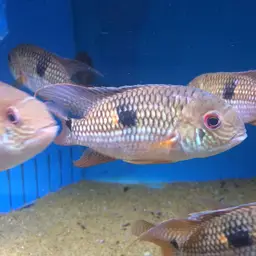
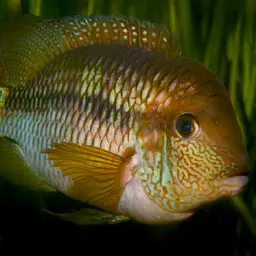
Good tank mates
Species that tend to coexist peacefully with Bluegray Mbuna
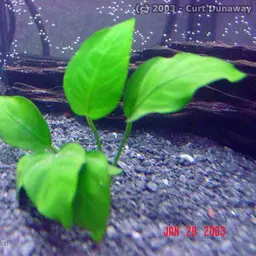
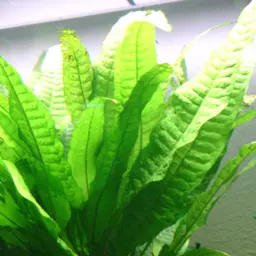
From the same region
Share the same natural habitat. Great for a biotope-themed tank
Frequently asked questions
- How big does the Bluegray Mbuna get?
- The Bluegray Mbuna reaches about 2.5–4" as an adult.
- What size tank does the Bluegray Mbuna need?
- A minimum of 40 gallons is recommended for the Bluegray Mbuna.
- What water parameters does the Bluegray Mbuna need?
- The Bluegray Mbuna does best with a temperature of 72–82°F, a pH of 7.2–8.8, hardness around 8–30 dGH.
- Is the Bluegray Mbuna aggressive?
- The Bluegray Mbuna is aggressive and is best kept alone or with robust tankmates that can hold their own.
- What does the Bluegray Mbuna eat?
- The Bluegray Mbuna is an omnivore. It does well on a varied diet of quality flake or pellet plus occasional frozen or live foods.
- How long does the Bluegray Mbuna live?
- With good care, the Bluegray Mbuna typically lives 10 years.