Redspot wrasse
Pseudocoris yamashiroi
Also known as: Pink wrasse, Pink Wrasse, Yamashiro's wrasse
A fast-moving reef wrasse with vivid pink tones and open-water energy.

About
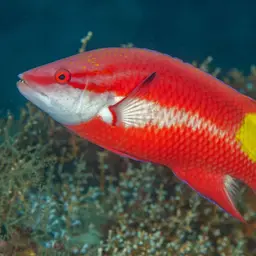
The pink wrasse (Pseudocoris yamashiroi) is a slender, active species from the Indo-Pacific, with records spanning the Mauritian Exclusive Economic Zone and the remote Chagos Archipelago. In the wild it tends to occupy open reef areas and mid-water zones, often forming loose aggregations where it picks off small invertebrates and zooplankton in the current. Coloration shifts with sex and age, as is typical in wrasses. Males develop the richest pinkish-red hues and a distinctive spot pattern that gives rise to one of its alternate names, the redspot wrasse. Females and juveniles tend to be more subdued in tone. In the aquarium this species needs a good amount of open swimming space and appreciates a well-established reef or fish-only system with plenty of rockwork to retreat into. It is not considered reef-safe for small ornamental shrimp or tiny crustaceans, which it will treat as food. Feeding is rarely a problem; most individuals adapt readily to frozen and prepared foods once settled. Ranked as intermediate in care, it is a reasonable step up from entry-level wrasses but does best with a keeper who understands the energy and spatial needs of active, open-water fish.
Similar species
Other fish you might consider
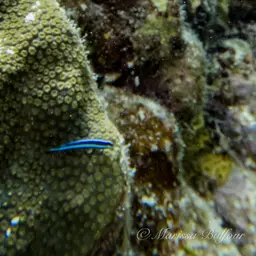
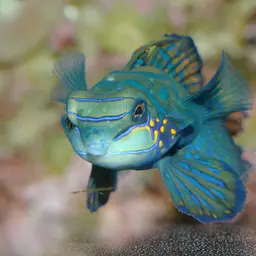
Good tank mates
Species that tend to coexist peacefully with Redspot wrasse
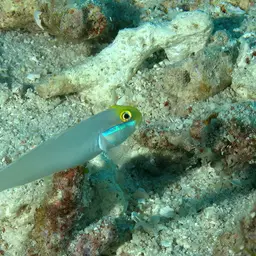
Frequently asked questions
- What water parameters does the Redspot wrasse need?
- The Redspot wrasse does best with a temperature of 72–82°F, a pH of 8–8.4.
- Is the Redspot wrasse aggressive?
- The Redspot wrasse is generally peaceful and suits a community tank with similarly calm tankmates.
- What does the Redspot wrasse eat?
- The Redspot wrasse is an omnivore. It does well on a varied diet of quality flake or pellet plus occasional frozen or live foods.
- Is the Redspot wrasse reef safe?
- The Redspot wrasse is not considered reliably reef safe and may harm corals or invertebrates.