Scott's Wrasse
Cirrhilabrus scottorum
A brilliantly colored fairy wrasse that rewards patient, experienced reef keepers.

About
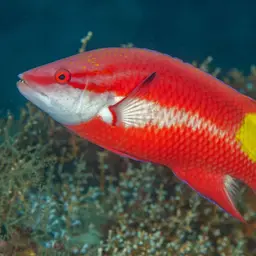
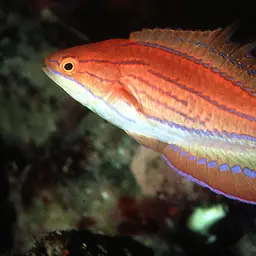
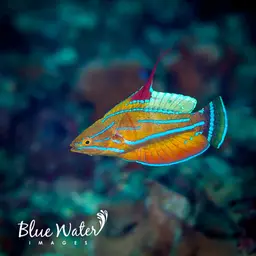
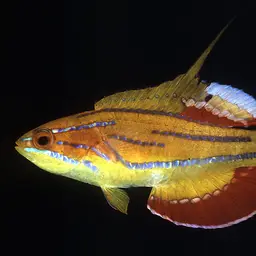
Scott's Wrasse (Cirrhilabrus scottorum) is one of the more sought-after fairy wrasses in the reef hobby, and for good reason. Males display an impressive combination of vivid coloration that shifts depending on mood and lighting, with hues ranging from deep purples and blues to greens, and the fins often edged in bright accents. Like other members of the Cirrhilabrus genus, males will intensify their colors dramatically when displaying to females or rival males, which makes a well-established group genuinely striking to watch. Females are considerably more subdued in color, as is typical for the genus. In the wild, Scott's Wrasse is found across a broad Indo-Pacific range, generally patrolling reef slopes and rubble zones where it picks off small zooplankton drifting in the water column. In the aquarium, it behaves much the same way. An active, constantly moving fish that needs open swimming space and a peaceful community to thrive. It can be jumpy, so a secure lid is genuinely important. Fairy wrasses as a group are generally reef-safe and do not bother corals or most invertebrates. This species lands in the intermediate care category, mostly because it needs good water quality and a settled, low-aggression environment to really show its best colors.
Similar species
Other fish you might consider
Good tank mates
Species that tend to coexist peacefully with Scott's Wrasse

Frequently asked questions
- What water parameters does the Scott's Wrasse need?
- The Scott's Wrasse does best with a temperature of 72–82°F, a pH of 8–8.4.
- Is the Scott's Wrasse aggressive?
- The Scott's Wrasse is generally peaceful and suits a community tank with similarly calm tankmates.
- What does the Scott's Wrasse eat?
- The Scott's Wrasse is a carnivore. It needs a meaty, protein-rich diet of frozen or live foods.
- Is the Scott's Wrasse reef safe?
- The Scott's Wrasse is generally considered reef safe.