Blueberry Shrimp
Neocaridina palmata
Also known as: blue berry shrimp, Blue Berry Shrimp, marbled dwarf shrimp, marbled shrimp, Marbled Shrimp
A boldly patterned dwarf shrimp that brings real color to planted nano tanks.

About
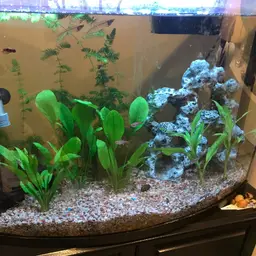
The blue berry shrimp (Neocaridina palmata) is one of several color forms of a small freshwater shrimp that goes by a surprising number of names depending on its coloration. Blue berry, nectarine, and marbled shrimp are all used to describe different variants of the same species. The marbled or mottled patterning that gives many of these shrimp their common names is genuinely distinctive among dwarf shrimp, setting them apart from the more uniformly colored Neocaridinas most hobbyists are familiar with. Native to Southern Asia, this species has also spread more broadly through the aquarium trade and beyond. Like most Neocaridinas, these are small, active shrimp that spend their time grazing on biofilm, algae, and organic debris, making them genuinely useful tank inhabitants rather than just decorative ones. They're rated as intermediate in terms of care, which means they're probably not the best starting point if you've never kept shrimp before, but anyone who has successfully maintained cherry shrimp or similar species should be comfortable with them. A well-established, stable planted aquarium suits them best, and a colony of these in a nano tank can be a genuinely engaging display.
Similar species
Other invertebrate you might consider
Good tank mates
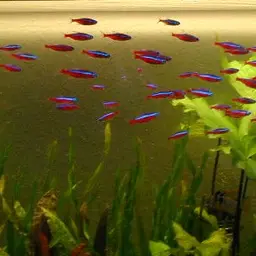
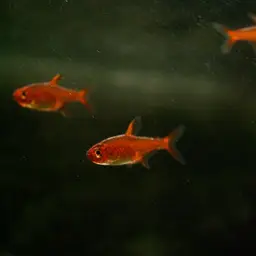
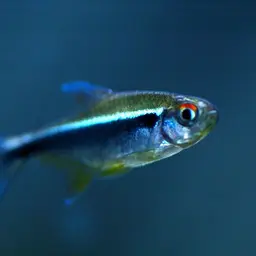
Species that tend to coexist peacefully with Blueberry Shrimp
Frequently asked questions
- How big does the Blueberry Shrimp get?
- The Blueberry Shrimp reaches about 0.5–1" as an adult.
- What water parameters does the Blueberry Shrimp need?
- The Blueberry Shrimp does best with a temperature of 65–82°F, a pH of 6–8, hardness around 4–18 dGH.
- Is the Blueberry Shrimp aggressive?
- The Blueberry Shrimp is generally peaceful and suits a community tank with similarly calm tankmates.
- What does the Blueberry Shrimp eat?
- The Blueberry Shrimp is an omnivore. It does well on a varied diet of quality flake or pellet plus occasional frozen or live foods.