Blue Tang
Paracanthurus hepatus
Also known as: Blue Surgeonfish, Dory, Flagtail Surgeonfish, Hepatus Tang, Indo-Pacific Bluetang
The fish that plays dead, then rules the reef with bold personality.

About
The blue tang (Paracanthurus hepatus) is one of the most recognizable fish in the saltwater hobby, largely thanks to its vivid cobalt-blue body marked with a bold black graphic pattern and a yellow tail. Found across a vast range of the Indo-Pacific, from East Africa all the way to Kiribati and from southern Japan down to the Great Barrier Reef, it naturally inhabits the clear, current-exposed faces of seaward reefs. In the wild, these fish hover in loose groups a meter or two off the bottom, with younger fish sheltering tightly among branching corals when spooked. In the aquarium, expect a fish with real personality. Curious, active, and occasionally theatrical. New arrivals have a well-documented habit of flopping on their side and playing dead, which can genuinely alarm a first-time owner, but this is normal settling-in behavior rather than a sign of illness. They also like to wedge into rockwork crevices, particularly when young. One thing worth knowing before you buy: like all surgeonfish, the blue tang carries a venomous spine at the base of its tail, so handle it carefully during transfers. This is a fish that needs significant space and can be assertive toward tankmates, so it is best suited to a well-planned, roomy system.
Similar species
Other fish you might consider
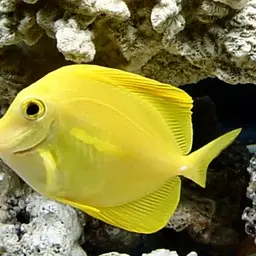
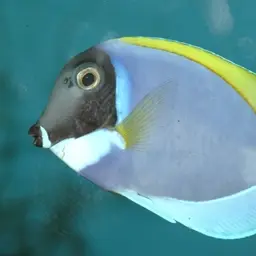
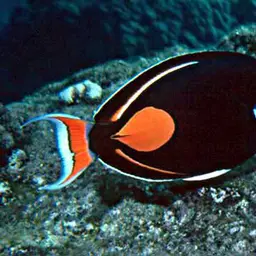
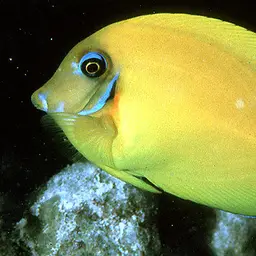
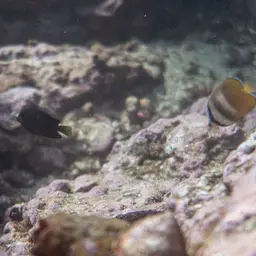
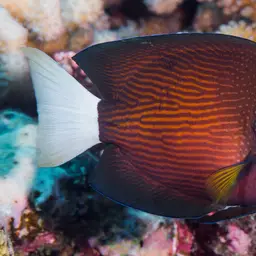
From the same region
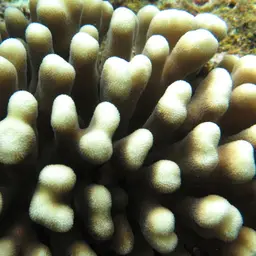
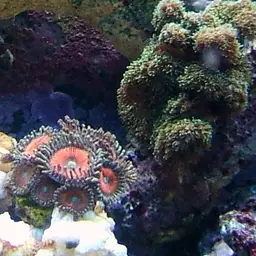
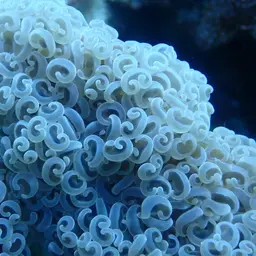
Share the same natural habitat. Great for a biotope-themed tank
Frequently asked questions
- How big does the Blue Tang get?
- The Blue Tang reaches about 4–10" as an adult.
- What size tank does the Blue Tang need?
- A minimum of 180 gallons is recommended for the Blue Tang.
- What water parameters does the Blue Tang need?
- The Blue Tang does best with a temperature of 72–82°F, a pH of 8–8.4.
- Is the Blue Tang aggressive?
- The Blue Tang is semi-aggressive. It can work in a community with careful tankmate choices and enough space.
- What does the Blue Tang eat?
- The Blue Tang is an omnivore. It does well on a varied diet of quality flake or pellet plus occasional frozen or live foods.
- How long does the Blue Tang live?
- With good care, the Blue Tang typically lives 5-8 years.
- Is the Blue Tang reef safe?
- The Blue Tang is generally considered reef safe.