Pulse Coral
Xenia umbellata
Also known as: pom pom xenia, white pulse coral
The hypnotic soft coral that rhythmically pulses its feathery tentacles all day long.

About
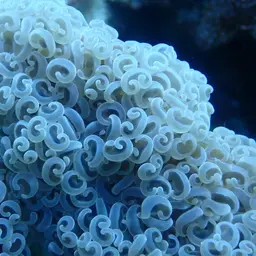
Pulse coral (Xenia umbellata) is one of those corals that stops people in their tracks at the fish store. Those constantly opening and closing polyp clusters are genuinely unlike anything else in the hobby. The pulsing motion appears to help the coral circulate water across its tissues for gas exchange, though exactly why some xeniid corals pulse and others don't is still debated. Found across a broad stretch of the Indo-Pacific and western Indian Ocean, from the Red Sea down through Madagascar and as far as South Africa, this species typically grows in colonies of tall stalks topped with those signature pompom-like polyp heads. Coloration is usually white to pale cream or light tan, sometimes with a faintly iridescent quality under good lighting. Unlike many soft corals, Xenia umbellata appears to derive a significant portion of its nutrition through direct absorption of dissolved organic material from the water rather than relying entirely on zooxanthellae or feeding, which partly explains why it can be so adaptable. It tends to grow quickly under favorable conditions and can spread across rockwork through budding, so placement is worth thinking about from the start. For newer reef keepers looking for a hardy, visually engaging soft coral, this one is genuinely hard to beat.
Similar species
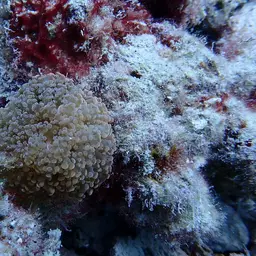
Other coral you might consider
Good tank mates
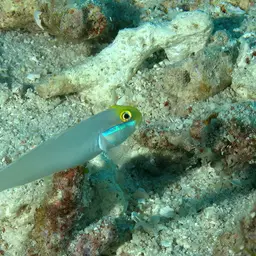
Species that tend to coexist peacefully with Pulse Coral
From the same region
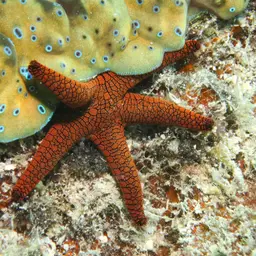
Share the same natural habitat. Great for a biotope-themed tank
Frequently asked questions
- What water parameters does the Pulse Coral need?
- The Pulse Coral does best with a temperature of 72–82°F, a pH of 8–8.4.
- What does the Pulse Coral eat?
- The Pulse Coral is a filter feeder. It eats tiny particles suspended in the water and usually needs target feeding in a home tank.
- Is the Pulse Coral reef safe?
- The Pulse Coral is generally considered reef safe.