Indian Hill Trout
Barilius bendelisis
A fast-moving hill stream fish that needs bold tankmates and plenty of room.

About
The Indian Hill Trout (Barilius bendelisis) is a silvery, laterally compressed cyprinid from the fast-flowing, rocky-bottomed streams and rivers that run along the foothills of South Asia, with a range stretching from Pakistan east through India, Nepal, Bangladesh, Bhutan, Sri Lanka, and into Myanmar. In good light, adults display 8 to 12 bluish vertical bars along the body, a scattering of blue-black scale spots, and a pair of distinctive black marks at the base of the tail. Details that help separate this species from its close relatives. It can reach a decent size, and its speed and energy at feeding time mean it will consistently outmuscle quieter, more timid fish for food. Slow or delicate species don't make good neighbors here. The best approach is a lively community of similarly robust, mid-water cyprinids, think Dawkinsia, larger Devario, or other Barilius, alongside sturdy bottom dwellers like Garra or Botia that can hold their own. This species is gregarious but forms a social hierarchy rather than a tight school, so a group of at least five is important. Smaller groups can lead to persistent bullying of subordinate fish. Breeding in captivity has not been documented. Despite its size and energy requirements, it is considered manageable for keepers who can provide the right environment and company.
Similar species
Other fish you might consider
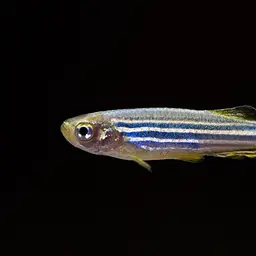
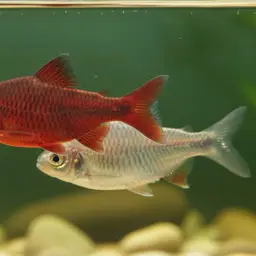
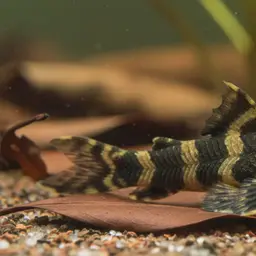
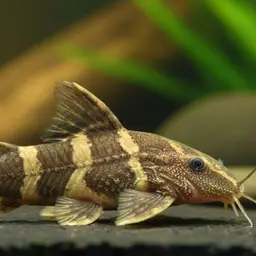
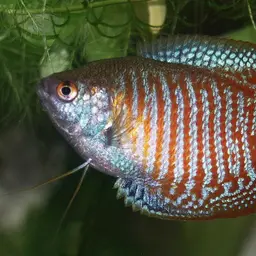
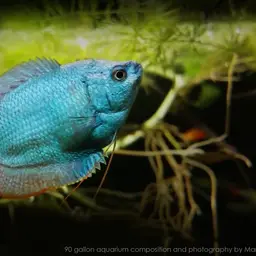
Good tank mates
Species that tend to coexist peacefully with Indian Hill Trout
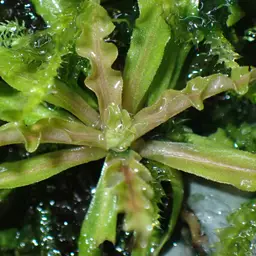
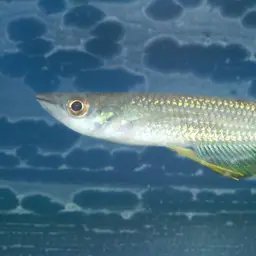
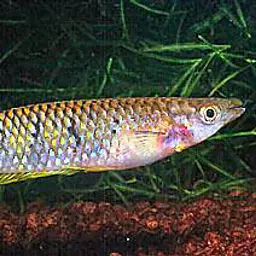
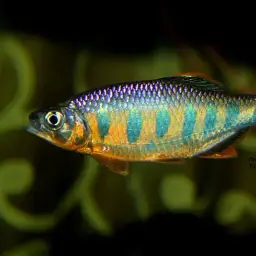
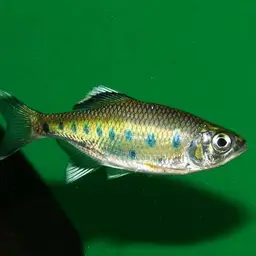
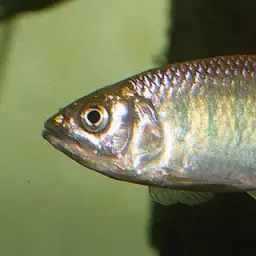
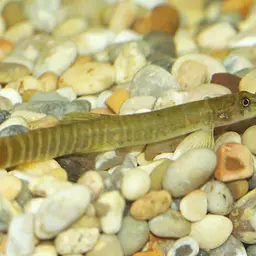
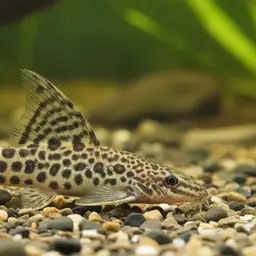
From the same region
Share the same natural habitat. Great for a biotope-themed tank
Frequently asked questions
- How big does the Indian Hill Trout get?
- The Indian Hill Trout reaches about 5.5–9" as an adult.
- What size tank does the Indian Hill Trout need?
- A minimum of 86 gallons is recommended for the Indian Hill Trout, with more room needed for a proper group.
- What water parameters does the Indian Hill Trout need?
- The Indian Hill Trout does best with a temperature of 64–79°F, a pH of 6–8, hardness around 2–15 dGH.
- Is the Indian Hill Trout aggressive?
- The Indian Hill Trout is semi-aggressive. It can work in a community with careful tankmate choices and enough space.
- What does the Indian Hill Trout eat?
- The Indian Hill Trout is an omnivore. It does well on a varied diet of quality flake or pellet plus occasional frozen or live foods.