Basket Hap
Mylochromis lateristriga
A sandy-bay predator from Lake Malawi with a taste for crustaceans.

About
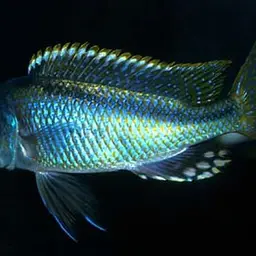
The Basket Hap (Mylochromis lateristriga) is a mid-to-large cichlid from one of Africa's most celebrated rift lakes, Lake Malawi, where it tends to be most abundant in the southern reaches. In the wild, it gravitates toward sheltered bays with shallow, sandy bottoms and patches of vegetation. Habitat that sets it apart from the rocky-shore mbuna that most hobbyists picture when they think of Malawi cichlids. Its natural diet leans heavily on crustaceans, which hints at both its hunting instincts and the kind of protein-rich diet it benefits from in captivity. Like most haps, it grows into a genuinely sizeable fish, and a roomy tank is non-negotiable if you want it to thrive and display its best coloration and behavior. Males can become territorial, particularly during breeding, so tankmate selection matters. Other large, similarly assertive Lake Malawi species tend to be the safest companions. This isn't a fish for complete beginners, but an intermediate keeper who has some experience with Malawi cichlids and can provide appropriate space and a varied diet will find it a rewarding and characterful resident. A lifespan stretching close to a decade means this is a long-term commitment worth planning around.
Similar species
Other fish you might consider
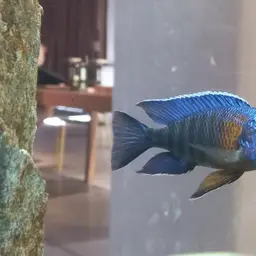
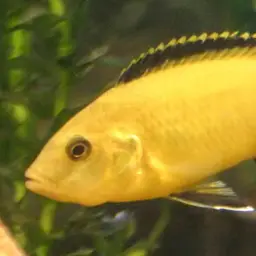
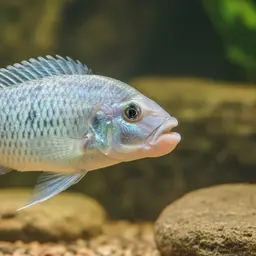
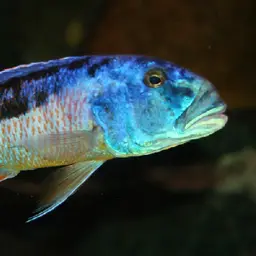
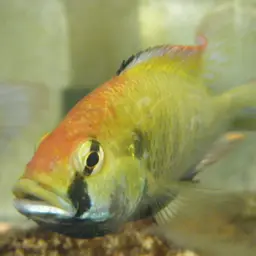
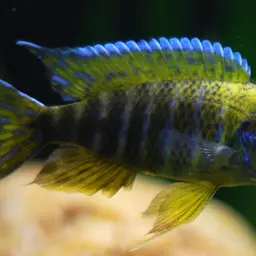
Good tank mates
Species that tend to coexist peacefully with Basket Hap
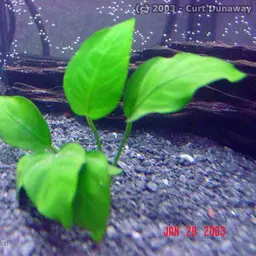
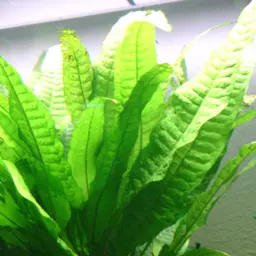
From the same region
Share the same natural habitat. Great for a biotope-themed tank
Frequently asked questions
- How big does the Basket Hap get?
- The Basket Hap reaches about 5–12" as an adult.
- What size tank does the Basket Hap need?
- A minimum of 75 gallons is recommended for the Basket Hap.
- What water parameters does the Basket Hap need?
- The Basket Hap does best with a temperature of 72–82°F, a pH of 7.2–8.6, hardness around 8–30 dGH.
- Is the Basket Hap aggressive?
- The Basket Hap is aggressive and is best kept alone or with robust tankmates that can hold their own.
- What does the Basket Hap eat?
- The Basket Hap is an omnivore. It does well on a varied diet of quality flake or pellet plus occasional frozen or live foods.
- How long does the Basket Hap live?
- With good care, the Basket Hap typically lives 5-8 years.