Bearded Cory
Scleromystax barbatus
Also known as: Bearded Catfish, Filigree Cory
The giant of the cory world, with a beard and a serious attitude to match.

About
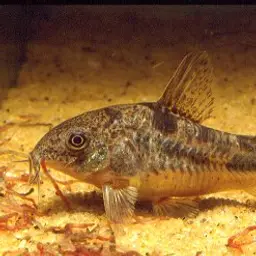
Known in the hobby as the bearded cory, bearded catfish, or filigree cory, Scleromystax barbatus is the largest member of the corydoradine subfamily and cuts a noticeably different figure from the typical cory most fishkeepers are familiar with. Males develop elaborate bristly odontodes around the snout and cheek area, that beard the common name refers to, and display a patterning of small streaked blotches across the back and sides of the head. Wild fish come from small coastal tributary streams in southern Brazil, from the Rio de Janeiro region down through Santa Catarina, where they inhabit cooler, well-oxygenated water. That preference for cooler temperatures is worth keeping in mind, as it rules out pairing them with many tropical community fish. Temperament-wise, males are genuinely aggressive toward each other and need plenty of space to establish territories; without it, conflict becomes a real management problem. Toward other species they're generally peaceful. Like all members of their subfamily, they're obligate air-breathers and must have unobstructed surface access at all times. This is non-negotiable for their health. Breeding is achievable and follows a pattern similar to other corydoradines, though raising the fry demands careful attention to water quality. With a potential lifespan stretching well past a decade, this is a long-term commitment.
Similar species
Other fish you might consider
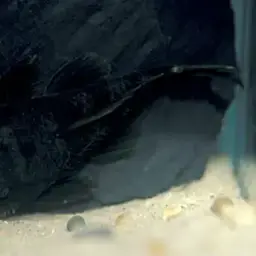
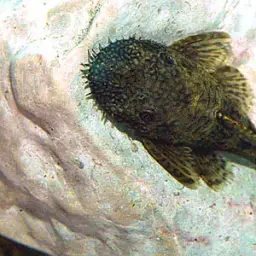
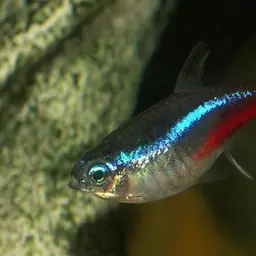
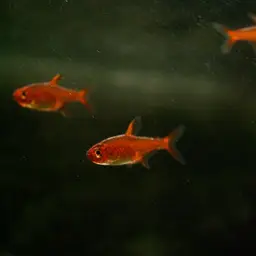
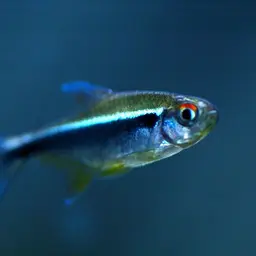
Good tank mates
Species that tend to coexist peacefully with Bearded Cory
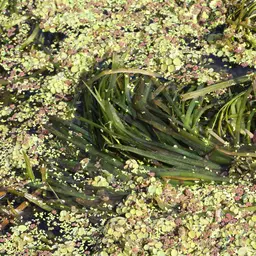
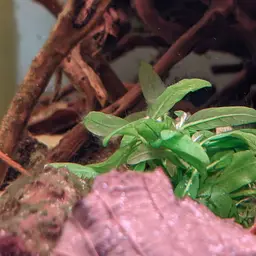

From the same region
Share the same natural habitat. Great for a biotope-themed tank

Frequently asked questions
- How big does the Bearded Cory get?
- The Bearded Cory reaches about 2.5–5" as an adult.
- What size tank does the Bearded Cory need?
- A minimum of 43 gallons is recommended for the Bearded Cory.
- What water parameters does the Bearded Cory need?
- The Bearded Cory does best with a temperature of 64–79°F, a pH of 5.5–8, hardness around 2–25 dGH.
- Is the Bearded Cory aggressive?
- The Bearded Cory is generally peaceful and suits a community tank with similarly calm tankmates.
- What does the Bearded Cory eat?
- The Bearded Cory is an omnivore. It does well on a varied diet of quality flake or pellet plus occasional frozen or live foods.
- How long does the Bearded Cory live?
- With good care, the Bearded Cory typically lives 15-25 years.