Black-axil Chromis
Chromis atripectoralis
Also known as: Blackaxil Puller
A schooling reef damsel that actually plays nice with its tankmates.

About
The black-axil chromis (Chromis atripectoralis) is one of those reef fish that earns its reputation through sheer reliability. Named for the dark smudge tucked at the base of each pectoral fin, it's otherwise a clean, pale blue-green fish that catches light beautifully in a well-lit reef tank. In the wild it ranges across the Indo-West Pacific from the Indian Ocean out to the central Pacific, including remote outposts like the Chagos Archipelago, where it forms large, loosely organized schools hovering above branching coral heads. That schooling instinct translates well to the aquarium. This species genuinely benefits from being kept in groups, and a small shoal will mill around mid-water together in a way that brings a lot of movement and life to a tank. Unlike many other damsels, black-axil chromis tend to be reasonably peaceful with unrelated species, which makes them far more practical in a mixed community reef than their family reputation might suggest. They're not a fish for a complete beginner, but a hobbyist who's past the basics and maintaining stable reef conditions will find them adaptable and rewarding. Feeding is generally uncomplicated, as they readily accept most small frozen and prepared foods.
Similar species
Other fish you might consider
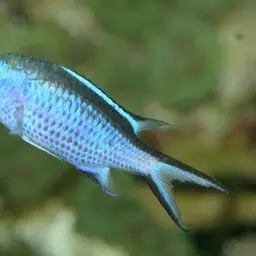
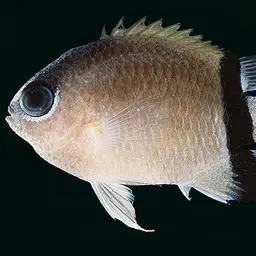
Good tank mates
Species that tend to coexist peacefully with Black-axil Chromis
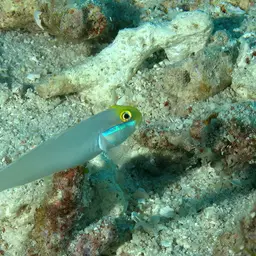
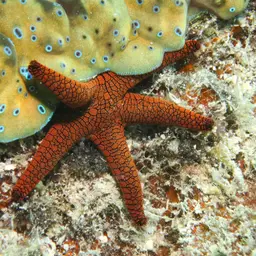
Frequently asked questions
- What water parameters does the Black-axil Chromis need?
- The Black-axil Chromis does best with a temperature of 72–82°F, a pH of 8–8.4.
- Is the Black-axil Chromis aggressive?
- The Black-axil Chromis is generally peaceful and suits a community tank with similarly calm tankmates.
- What does the Black-axil Chromis eat?
- The Black-axil Chromis is an omnivore. It does well on a varied diet of quality flake or pellet plus occasional frozen or live foods.
- Is the Black-axil Chromis reef safe?
- The Black-axil Chromis is generally considered reef safe.