Blue Perch
Badis badis
Also known as: Chameleon Fish
A color-changing micro-predator that hides, watches, and ambushes with surprising intensity.

About
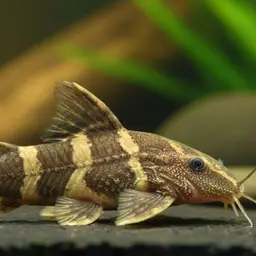
The blue perch (Badis badis) is probably better known in the hobby by its trade name, 'chameleon fish', which hints at one of its most entertaining traits: a rapid ability to shift color, particularly during spawning or when stressed. Males can go from muted earth tones to deep black with vivid blue fins almost instantly. Native to slow rivers, ponds, ditches, and swampy backwaters across the Ganges drainage in India, Bangladesh, and Nepal, this small fish rarely tops three inches and spends most of its time lurking near the bottom or tucked against decor. It is a patient, stalking carnivore that ignores dried foods almost completely, so you will need to keep a steady supply of live or frozen invertebrates on hand. Despite its peaceful label, it is territorial among its own kind, and rival males can get genuinely scrappy in tight quarters. A well-decorated tank with multiple caves spread out across the floor goes a long way toward keeping the peace. Avoid pairing it with boisterous or fast-moving tankmates that will outcompete it at feeding time, and keep it well away from other Badis species due to hybridization risk. Small ornamental shrimp are generally not safe with this species either. Cave-spawning behavior is fascinating to observe, with the male taking sole charge of the eggs and fry after driving the female away.
Similar species
Other fish you might consider
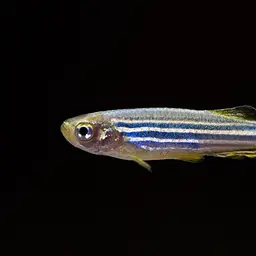
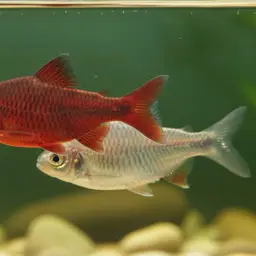
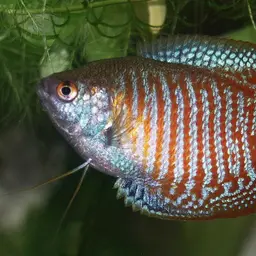
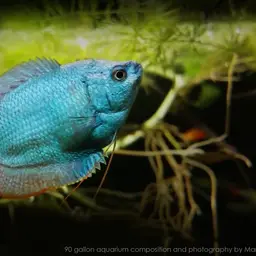
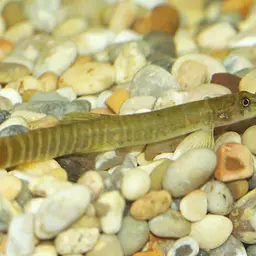
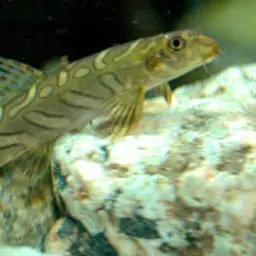
Good tank mates
Species that tend to coexist peacefully with Blue Perch
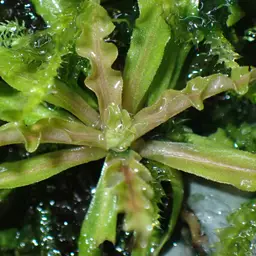
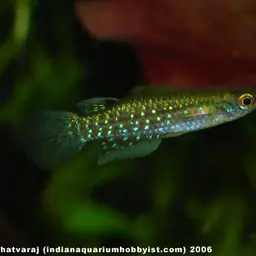
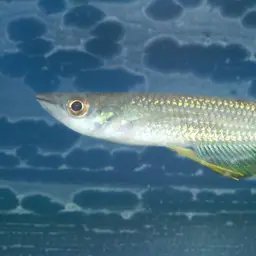
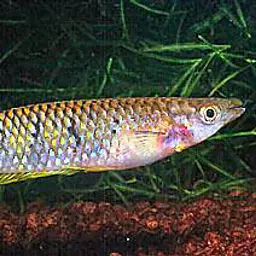
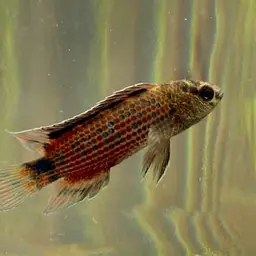
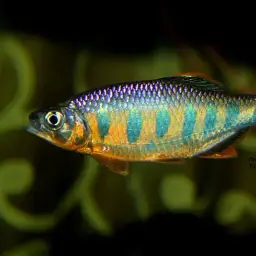
From the same region
Share the same natural habitat. Great for a biotope-themed tank
Frequently asked questions
- How big does the Blue Perch get?
- The Blue Perch reaches about 2–3" as an adult.
- What size tank does the Blue Perch need?
- A minimum of 10 gallons is recommended for the Blue Perch.
- What water parameters does the Blue Perch need?
- The Blue Perch does best with a temperature of 57–86°F, a pH of 6–8, hardness around 3–19 dGH.
- Is the Blue Perch aggressive?
- The Blue Perch is semi-aggressive. It can work in a community with careful tankmate choices and enough space.
- What does the Blue Perch eat?
- The Blue Perch is a carnivore. It needs a meaty, protein-rich diet of frozen or live foods.
- How long does the Blue Perch live?
- With good care, the Blue Perch typically lives 3-5 years.