Rostratus
Fossorochromis rostratus
The sand-diving Lake Malawi cichlid that buries itself when spooked.

About
A sand-sifting cichlid from the shallows of Lake Malawi, Fossorochromis rostratus is one of those fish that will genuinely surprise you the first time it nose-dives straight into the substrate when startled. That behavior is not a quirk. It is hardwired, and it means a deep, fine sand bed is non-negotiable in the aquarium. Gravel can cause real physical damage to a fish built for burying. In the wild, F. rostratus is commonly found over sandy beaches where it roots through the substrate hunting invertebrates, and in a home tank it will happily replicate this sifting behavior. Interestingly, in the wild Cyrtocara moorii has learned to shadow feeding groups of this species, picking off anything disturbed by all that digging. And the two make perfectly compatible tankmates in captivity. This species is a shoaler, so keeping a group is important, with a ratio of two or three females per male working well. Males can become seriously territorial during spawning, and the sheer scale of the space one dominant male considers "his" means only very large setups can house more than one successfully. Despite being a carnivore that will consume small fish, it is generally not a brawler and does not belong with rough mbuna. Think peaceful open-water haplochromines and large Synodontis catfish as companions.
Similar species
Other fish you might consider
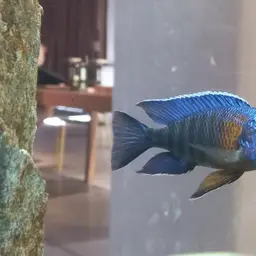
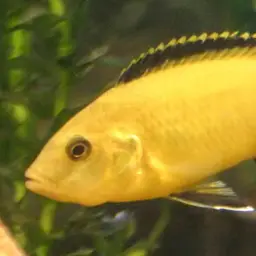
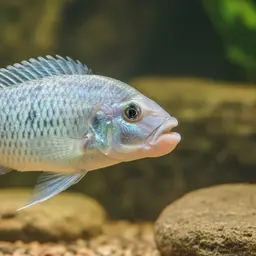
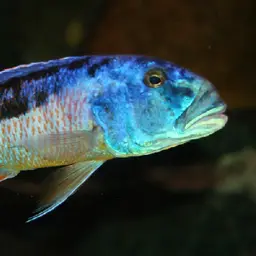
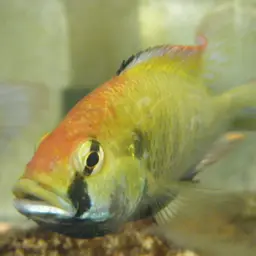
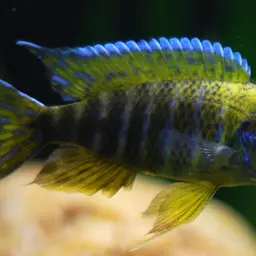
Good tank mates
Species that tend to coexist peacefully with Rostratus
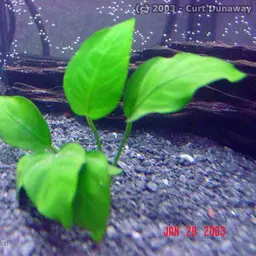
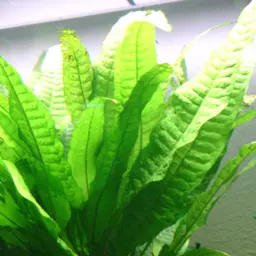
From the same region
Share the same natural habitat. Great for a biotope-themed tank
Frequently asked questions
- How big does the Rostratus get?
- The Rostratus reaches about 6–12" as an adult.
- What size tank does the Rostratus need?
- A minimum of 185 gallons is recommended for the Rostratus.
- What water parameters does the Rostratus need?
- The Rostratus does best with a temperature of 75–81°F, a pH of 7.2–8.8, hardness around 10–25 dGH.
- Is the Rostratus aggressive?
- The Rostratus is aggressive and is best kept alone or with robust tankmates that can hold their own.
- What does the Rostratus eat?
- The Rostratus is a carnivore. It needs a meaty, protein-rich diet of frozen or live foods.
- How long does the Rostratus live?
- With good care, the Rostratus typically lives 5-8 years.