Horse Face Loach
Acantopsis choirorhynchos
A burrowing, long-snouted loach that vanishes into the sand and rarely looks back.

About
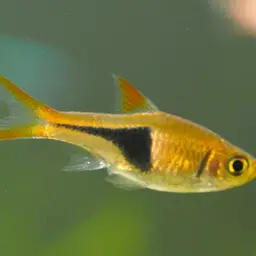
The horse face loach (Acantopsis choirorhynchos) is named for its distinctively elongated snout and dorsally-placed eyes, giving it a profile unlike almost anything else in the freshwater hobby. Native to rivers and clear, fast-moving streams across Java, Borneo, Sumatra, and the Malay Peninsula, it spends the bulk of its time sifting through sandy substrates in search of small invertebrates and organic matter. In the aquarium, that behavior translates to a fish you set up a display for, then rarely actually see. It burrows, hides, and surfaces largely on its own schedule. A soft, fine sand substrate is really non-negotiable here, both for natural behavior and to protect its delicate snout. Despite a reputation for aggression, most tension stays within the species itself, with occasional squabbles over temporary patches of substrate that seldom result in real injury. Keeping a single specimen or a group of six or more tends to work better than pairs or small trios. Tankmates from the upper water column, rasboras, devarios, and similar schooling fish, generally work well, since they stay out of this loach's territory entirely. One important note: this is a known jumper, so a well-secured lid is not optional. Juveniles are traded regularly, but adults are much less common in the hobby, suggesting their long-term care is often underestimated.
Similar species
Other fish you might consider
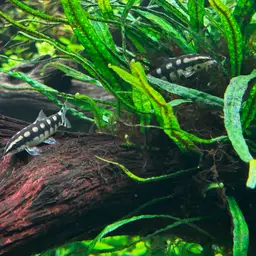
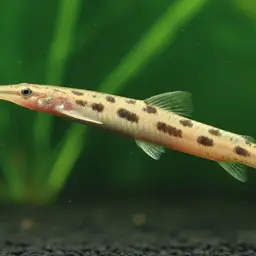
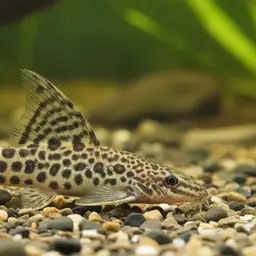
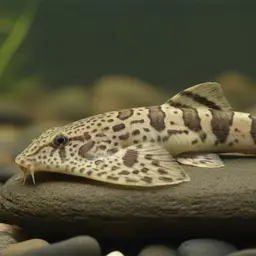
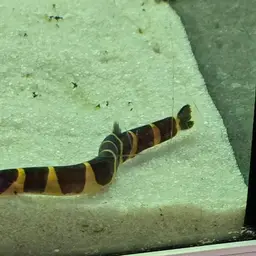
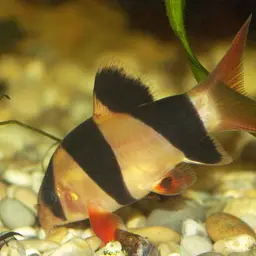
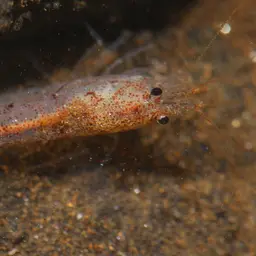
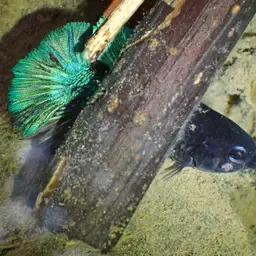
Good tank mates
Species that tend to coexist peacefully with Horse Face Loach
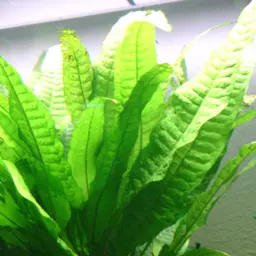
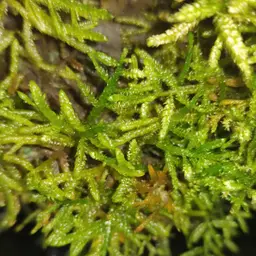
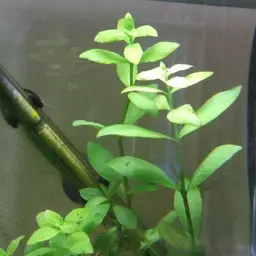
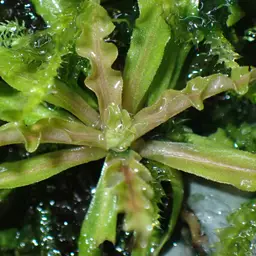

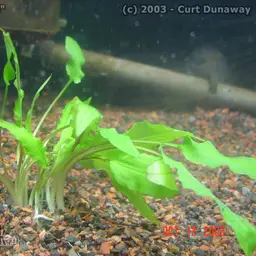
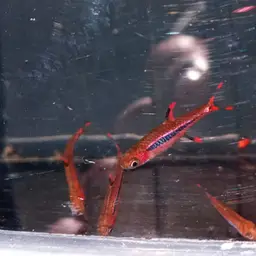
From the same region
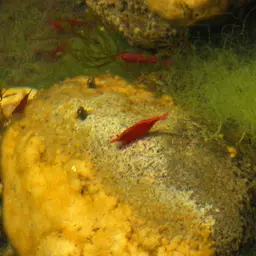
Share the same natural habitat. Great for a biotope-themed tank
Frequently asked questions
- How big does the Horse Face Loach get?
- The Horse Face Loach reaches about 6–9" as an adult.
- What size tank does the Horse Face Loach need?
- A minimum of 43 gallons is recommended for the Horse Face Loach.
- What water parameters does the Horse Face Loach need?
- The Horse Face Loach does best with a temperature of 72–82°F, a pH of 6–8, hardness around 2–12 dGH.
- Is the Horse Face Loach aggressive?
- The Horse Face Loach is aggressive and is best kept alone or with robust tankmates that can hold their own.
- What does the Horse Face Loach eat?
- The Horse Face Loach is an omnivore. It does well on a varied diet of quality flake or pellet plus occasional frozen or live foods.
- How long does the Horse Face Loach live?
- With good care, the Horse Face Loach typically lives 5-8 years.