Black Ocellatus
Lamprologus speciosus
A pint-sized shell-brooding cichlid from Lake Tanganyika with outsized attitude.

About
Found only in the southwestern corner of Lake Tanganyika in the Democratic Republic of the Congo, Lamprologus speciosus is a dwarf shelldweller with a personality far larger than its small frame suggests. In the wild it inhabits sandy lake-bottom zones scattered with snail shells, which it buries so only the entrance remains exposed. These shells serve as shelter, spawning sites, and the heart of each fish's fiercely defended territory. It feeds primarily on insect larvae and shares its habitat with Lamprologus stappersi. In the aquarium it behaves much like its close relative L. ocellatus, which it so closely resembles that it sometimes turns up in the trade under the name 'black ocellatus'. Despite its aggression toward its own kind, it can coexist peacefully with fish that occupy different parts of the tank. Rock-dwelling cichlids like Neolamprologus brichardi or open-water species such as Cyprichromis are sensible choices. Keeping a colony works well provided there are plenty of shells to go around and females outnumber males. Breeding is a genuine highlight: females perform most of the brooding work inside the shell, and with a well-set-up aquarium spawning happens readily. This is an intermediate-level species that rewards anyone willing to cater to its need for hard, alkaline water and a shell-strewn sandy substrate.
Similar species
Other fish you might consider
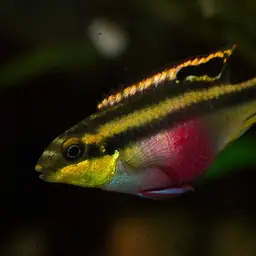
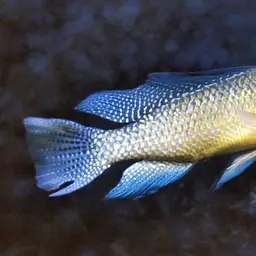
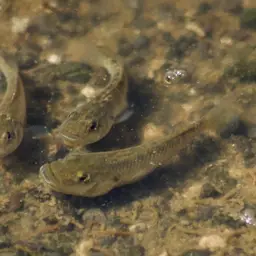
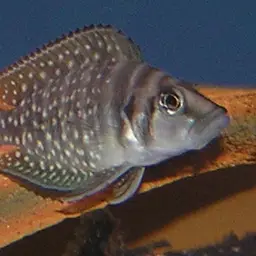
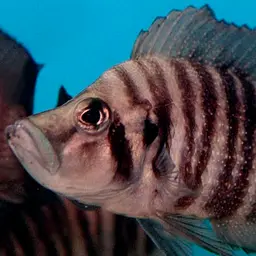
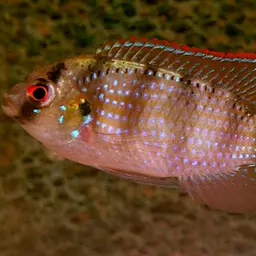
Good tank mates
Species that tend to coexist peacefully with Black Ocellatus
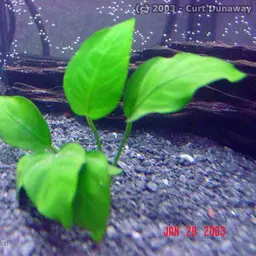
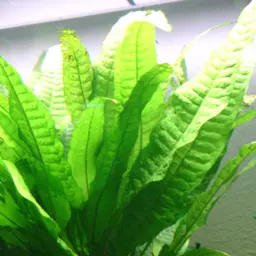
From the same region
Share the same natural habitat. Great for a biotope-themed tank
Frequently asked questions
- How big does the Black Ocellatus get?
- The Black Ocellatus reaches about 1–2.5" as an adult.
- What size tank does the Black Ocellatus need?
- A minimum of 11 gallons is recommended for the Black Ocellatus.
- What water parameters does the Black Ocellatus need?
- The Black Ocellatus does best with a temperature of 72–82°F, a pH of 7.2–9, hardness around 6–30 dGH.
- Is the Black Ocellatus aggressive?
- The Black Ocellatus is aggressive and is best kept alone or with robust tankmates that can hold their own.
- What does the Black Ocellatus eat?
- The Black Ocellatus is a carnivore. It needs a meaty, protein-rich diet of frozen or live foods.
- How long does the Black Ocellatus live?
- With good care, the Black Ocellatus typically lives 3-5 years.