Utaka
Copadichromis mloto
A Lake Malawi schooling cichlid that breaks the solitary-male stereotype.

About
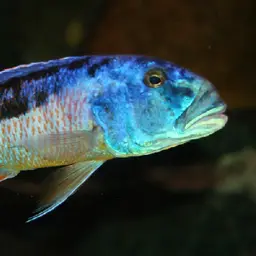
Found nowhere else on earth, this open-water cichlid, Copadichromis mloto, is endemic to Lake Malawi and belongs to a group of haplochromine cichlids commonly called utaka. Unlike many of its relatives that are kept as solitary display fish, it is a confirmed schooling species in the wild, which sets it apart from much of the Malawi cichlid crowd and shapes how you should approach keeping it. Giving a group proper swimming room matters here. These are active, mid-water fish that use space. The species reaches a solid five to six and a half inches at maturity, so it has real presence in a larger setup. Care sits at an intermediate level, which in the Malawi context mostly means staying on top of water quality and maintaining the hard, alkaline conditions the lake is known for. It is an omnivore and not particularly fussy at feeding time. With a lifespan that can stretch into double digits under good conditions, this is a long-term commitment rather than a quick project, and a well-maintained group in a species-appropriate tank can be genuinely rewarding for the keeper willing to meet its needs.
Similar species
Other fish you might consider
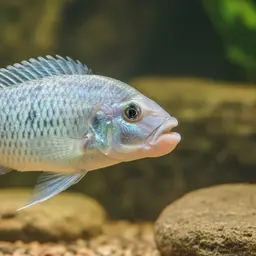
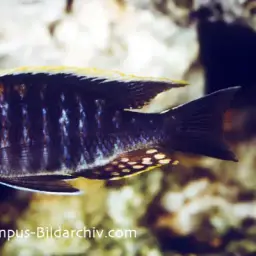
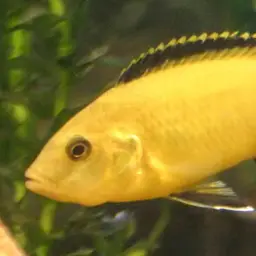
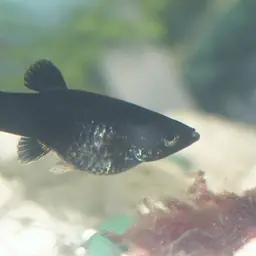
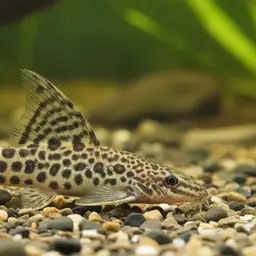
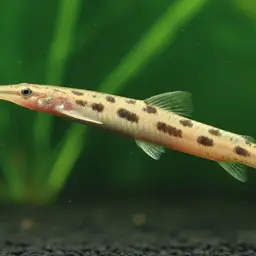
Good tank mates
Species that tend to coexist peacefully with Utaka
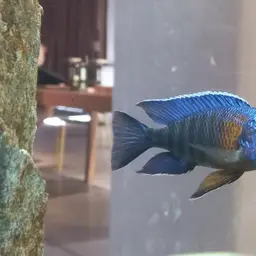
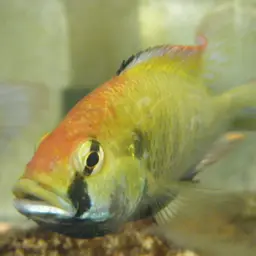
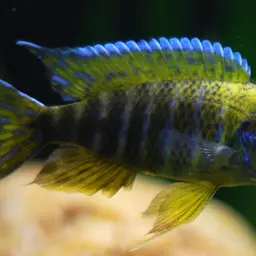
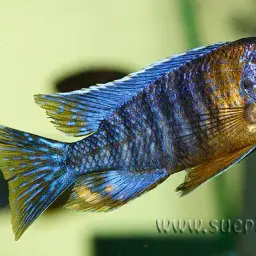
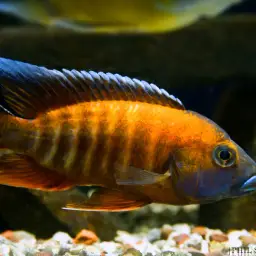
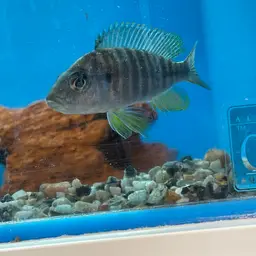
From the same region
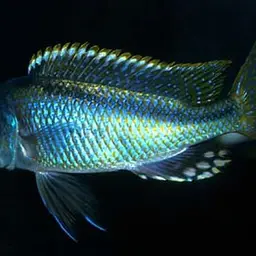
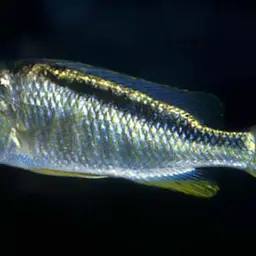
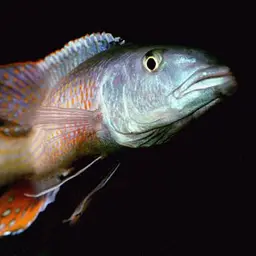
Share the same natural habitat. Great for a biotope-themed tank

Frequently asked questions
- How big does the Utaka get?
- The Utaka reaches about 5–6.5" as an adult.
- What size tank does the Utaka need?
- A minimum of 55 gallons is recommended for the Utaka.
- What water parameters does the Utaka need?
- The Utaka does best with a temperature of 75–82°F, a pH of 7.5–8.8, hardness around 8–25 dGH.
- Is the Utaka aggressive?
- The Utaka is semi-aggressive. It can work in a community with careful tankmate choices and enough space.
- What does the Utaka eat?
- The Utaka is an omnivore. It does well on a varied diet of quality flake or pellet plus occasional frozen or live foods.
- How long does the Utaka live?
- With good care, the Utaka typically lives 8-12 years.