Acre Corydoras
Corydoras acrensis
A little-known armored catfish from Amazonia that breathes air when it needs to.

About
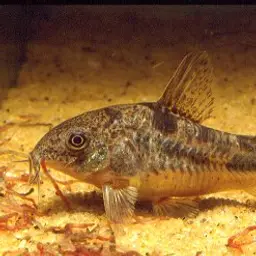
The Acre Corydoras (Corydoras acrensis) is one of the more obscure members of an already sprawling genus. Originally described from just a single specimen, and with very little written about it since. What we do know places it firmly in the broader Corydoras mold: a small, peaceful, bottom-dwelling catfish from the Juruá River basin in South America, armored with bony plates rather than ordinary scales, as is characteristic of the family Callichthyidae. Like its relatives, it can breathe atmospheric air by gulping at the surface. A handy adaptation for life in oxygen-poor Amazonian waters, and something you'll notice it doing regularly in the aquarium. Keep in mind that the stiffened spines on the pectoral fins are no joke; they can pierce skin and cause real discomfort, and there's some suggestion that gland secretions near the spine bases may have mild toxic properties, so handle with care. Despite that caveat, this is a peaceful, undemanding fish that does best in a group of at least four to six individuals. Its beginner-friendly nature and small adult size make it a practical choice for a community setup, though the scarcity of species-specific information means you're largely working from what the genus as a whole tells us.
Similar species
Other fish you might consider
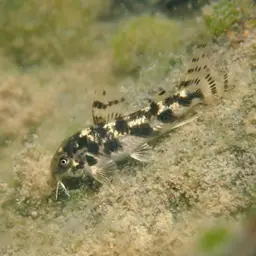
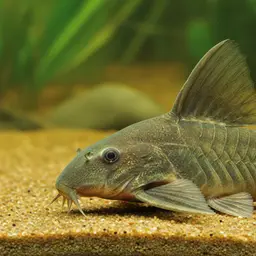
Good tank mates
Species that tend to coexist peacefully with Acre Corydoras
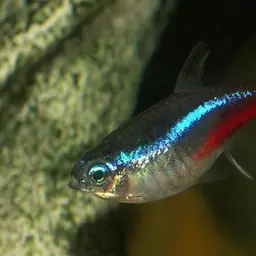
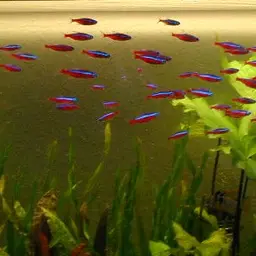
From the same region
Share the same natural habitat. Great for a biotope-themed tank

Frequently asked questions
- How big does the Acre Corydoras get?
- The Acre Corydoras reaches about 0.5–2" as an adult.
- What water parameters does the Acre Corydoras need?
- The Acre Corydoras does best with a temperature of 70–77°F, a pH of 6–8, hardness around 2–25 dGH.
- Is the Acre Corydoras aggressive?
- The Acre Corydoras is generally peaceful and suits a community tank with similarly calm tankmates.
- What does the Acre Corydoras eat?
- The Acre Corydoras is an omnivore. It does well on a varied diet of quality flake or pellet plus occasional frozen or live foods.