Olga
Corydoras simulatus
A rarely documented Colombian cory with a color pattern that keeps even experts guessing.

About
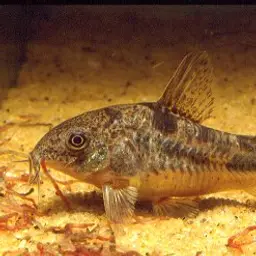
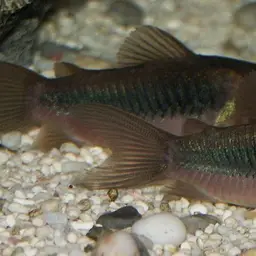
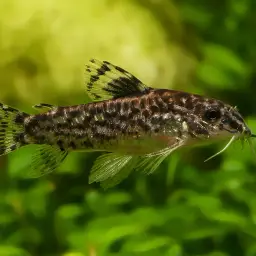
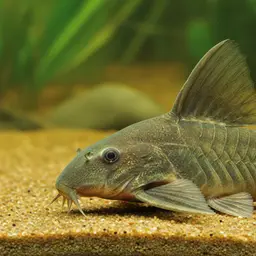
Found in the upper Meta River drainage of Colombia, Corydoras simulatus is one of those species that sits in an interesting gray zone. Scientifically published but poorly documented, leaving hobbyists and researchers alike working with limited information. One reliable identification feature is a pair of small rictal barbels near the mouth, though its color pattern can shift considerably depending on where individual fish were collected. Some locality variants carry a distinct dark marking along the flank and have circulated in the trade under the informal name Corydoras sp. 'olga', occasionally causing misidentification. Like all members of the Callichthyidae family, this species is covered in bony plates rather than ordinary scales, giving it the armored look the group is famous for. Those fin spines are worth respecting too. They can pierce skin, and the glands at their base may produce mildly venomous secretions, so handle with care during tank maintenance. In common with its relatives, this cory can gulp air at the surface using a modified, highly vascularised section of intestine, which is a normal and fascinating adaptation rather than a sign of distress. Keep a group of at least four to six together, as they're genuinely gregarious fish that become more active and visible in larger numbers. Prefers clean, well-oxygenated water with some current.
Similar species
Other fish you might consider
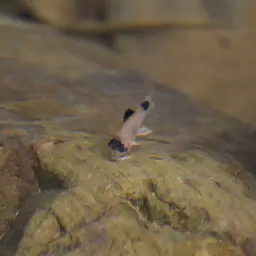
Good tank mates
Species that tend to coexist peacefully with Olga
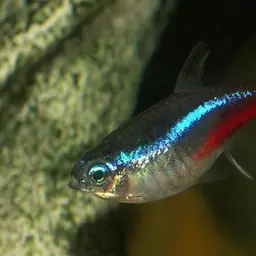
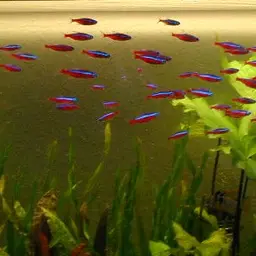
From the same region
Share the same natural habitat. Great for a biotope-themed tank

Frequently asked questions
- How big does the Olga get?
- The Olga reaches about 1–3" as an adult.
- What size tank does the Olga need?
- A minimum of 30 gallons is recommended for the Olga, with more room needed for a proper group.
- What water parameters does the Olga need?
- The Olga does best with a temperature of 68–79°F, a pH of 6–8, hardness around 2–25 dGH.
- Is the Olga aggressive?
- The Olga is generally peaceful and suits a community tank with similarly calm tankmates.
- What does the Olga eat?
- The Olga is an omnivore. It does well on a varied diet of quality flake or pellet plus occasional frozen or live foods.
- How long does the Olga live?
- With good care, the Olga typically lives 15-25 years.