Snake Polyp
Isaurus tuberculatus
Also known as: Duchassaing's colonial anemone, snake polyps
Unusual colonial zoanthid with a distinctly tubular, snake-like body form.

About
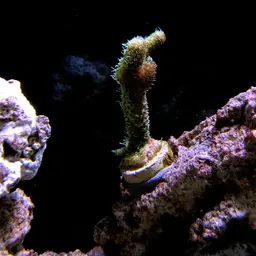
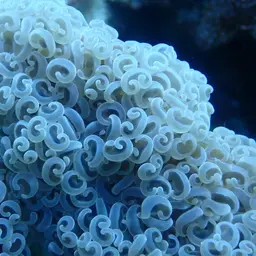
Snake polyps (Isaurus tuberculatus) are an unusual zoanthid that stand apart from the typical flat, disc-shaped polyps most reef keepers are familiar with. Each individual polyp extends into a noticeably elongated, tube-like column covered in small bumps or tubercles, giving the colony a texture and silhouette unlike most of its zoanthid relatives. Hence the common name. Found across both the Western Pacific and Atlantic, including reef systems in the Caribbean such as the barrier reef off Belize, this species occupies shallow coastal and reef habitats from the surface down to around 20 meters. In the wild it grows as a sessile colonial organism, anchoring itself to hard substrate and forming spreading clusters over time. In the aquarium, snake polyps are considered a reasonable choice for those newer to keeping soft corals. They appreciate moderate water movement and moderate lighting, which makes them fairly flexible when it comes to placement within a mixed reef tank. They are considered reef safe and generally mind their own business around other corals and invertebrates. Source data on this species is relatively limited in the hobby, but their straightforward requirements and distinctive appearance make them a genuinely interesting addition for a keeper looking for something a little different from the usual zoanthid fare.
Similar species
Other coral you might consider
Good tank mates
Species that tend to coexist peacefully with Snake Polyp
From the same region
Share the same natural habitat. Great for a biotope-themed tank

Frequently asked questions
- What water parameters does the Snake Polyp need?
- The Snake Polyp does best with a temperature of 72–82°F, a pH of 8–8.4.
- Is the Snake Polyp reef safe?
- The Snake Polyp is generally considered reef safe.