Blue Tetra
Mimagoniates microlepis
A rare coastal-stream tetra with an unusual internal fertilization strategy.

About
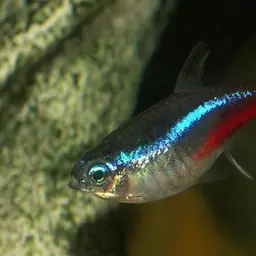
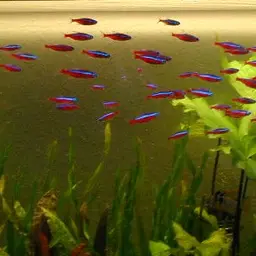
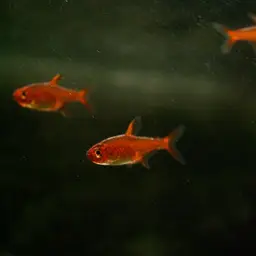
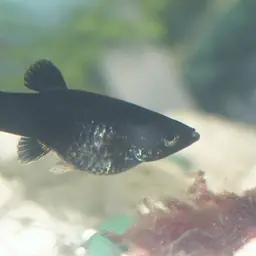
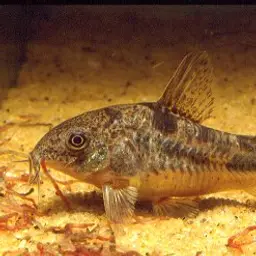
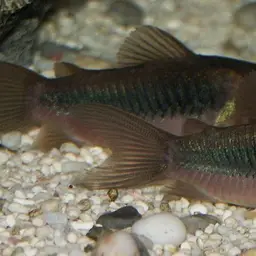
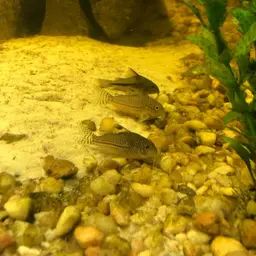
Found in clear coastal streams running from southern Bahia down to northern Rio Grande do Sul in Brazil, Mimagoniates microlepis is one of those quietly interesting small tetras that rewards patient observation. It belongs to a group known as internally inseminating characins. Females can store live sperm in their ovaries after mating during the dry season, then use that stored sperm to fertilize eggs when the rains arrive and survival odds for offspring improve. That alone makes it more biologically fascinating than most small tetras you'll encounter in the hobby. It occasionally turns up for sale under the name "blue tetra", but should not be confused with Knodus borki, which shares that common name and is actually much more widely available. This species is gentler and less prone to fin-nipping than that look-alike. In the aquarium it's a peaceful, active shoaler that genuinely needs company. A group of at least six is the minimum, and ten or more is much better. It won't hold its own against boisterous or aggressive tankmates, so choose companions carefully. Smaller South American tetras, pencilfish, Corydoras, Apistogramma, and cool-water cichlids like Gymnogeophagus all make compatible neighbors. It also does well in a biotope setup reflecting its native stream habitat. Breeding is achievable for intermediate keepers willing to set up a dedicated spawning tank.
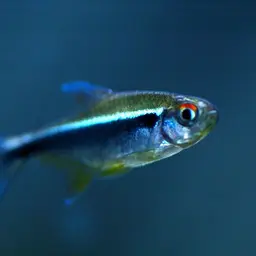
Similar species
Other fish you might consider
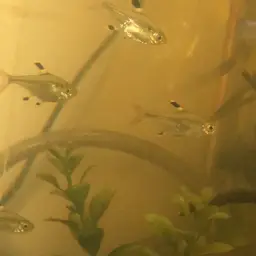
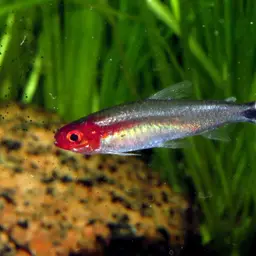
Good tank mates
Species that tend to coexist peacefully with Blue Tetra
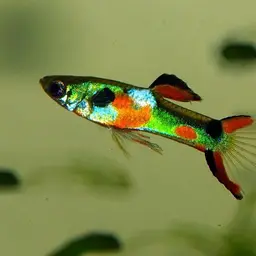
From the same region
Share the same natural habitat. Great for a biotope-themed tank
Frequently asked questions
- How big does the Blue Tetra get?
- The Blue Tetra reaches about 2–2.5" as an adult.
- What size tank does the Blue Tetra need?
- A minimum of 18 gallons is recommended for the Blue Tetra, with more room needed for a proper group.
- What water parameters does the Blue Tetra need?
- The Blue Tetra does best with a temperature of 68–82°F, a pH of 5.5–7.5, hardness around 2–20 dGH.
- Is the Blue Tetra aggressive?
- The Blue Tetra is generally peaceful and suits a community tank with similarly calm tankmates.
- What does the Blue Tetra eat?
- The Blue Tetra is an omnivore. It does well on a varied diet of quality flake or pellet plus occasional frozen or live foods.
- How long does the Blue Tetra live?
- With good care, the Blue Tetra typically lives 5-8 years.