Fighting Loach
Nemacheilus selangoricus
A scrappy little bottom-dweller from Borneo's fast forest streams.

About
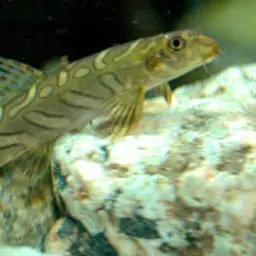
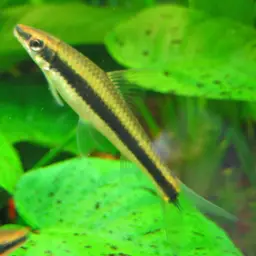
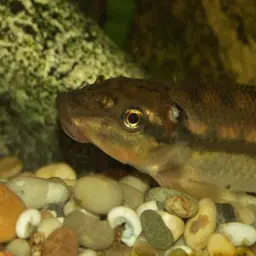
The Fighting Loach (Nemacheilus selangoricus) earns its common name honestly. Males will square off side by side and push against each other in shoving contests that can look more theatrical than dangerous, but the territorial streak is real. Despite the name, this species is actually peaceful toward its own kind and does better kept in groups of four or more, where the fish seem more relaxed and spend less time hiding. Wild populations come from fast-flowing, shaded forest streams across the Malay Peninsula, Borneo, and parts of Indonesia, where acidic, well-oxygenated water flows over sand and gravel. In the aquarium, replicating that kind of flow and substrate makes a noticeable difference. Patterning consists of a series of dark vertical bars along the flanks, sometimes appearing to split into paired thinner bars where the center fades, which helps identify it within a group of similar stone loaches. Tankmates are worth thinking through carefully: open-water cyprinids work well, as do rheophilic hillstream loaches, but other bottom-dwelling loaches from related genera can trigger serious aggression. At under two and a half inches, the Fighting Loach fits into a modest-sized setup, though its intermediate care rating reflects the need for good water quality and thoughtful stocking rather than any particular sensitivity.
Similar species
Other fish you might consider
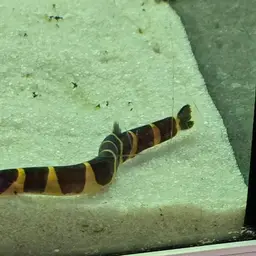
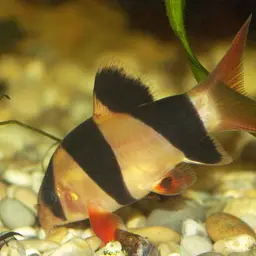
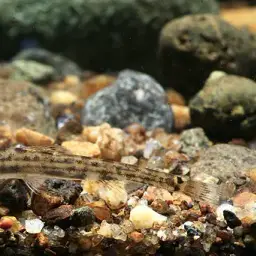
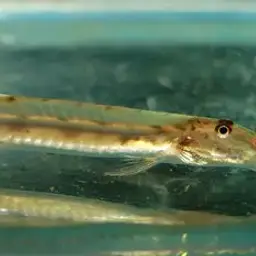
Good tank mates
Species that tend to coexist peacefully with Fighting Loach
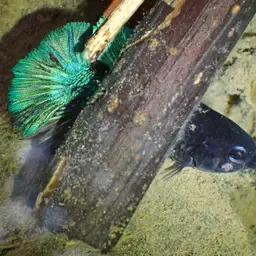
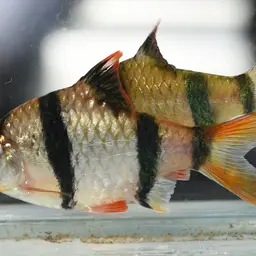
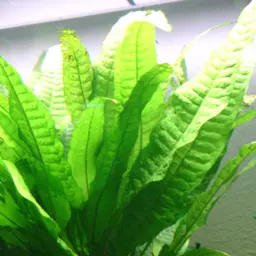
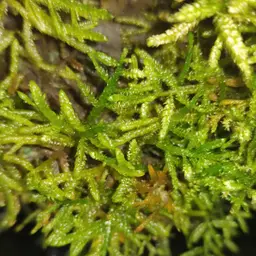
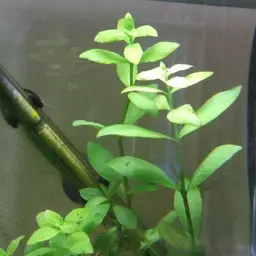
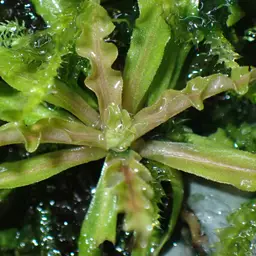
From the same region
Share the same natural habitat. Great for a biotope-themed tank
Frequently asked questions
- How big does the Fighting Loach get?
- The Fighting Loach reaches about 1.5–2.5" as an adult.
- What size tank does the Fighting Loach need?
- A minimum of 14 gallons is recommended for the Fighting Loach, with more room needed for a proper group.
- What water parameters does the Fighting Loach need?
- The Fighting Loach does best with a temperature of 68–79°F, a pH of 5–7.5, hardness around 1–12 dGH.
- Is the Fighting Loach aggressive?
- The Fighting Loach is semi-aggressive. It can work in a community with careful tankmate choices and enough space.
- What does the Fighting Loach eat?
- The Fighting Loach is an omnivore. It does well on a varied diet of quality flake or pellet plus occasional frozen or live foods.
- How long does the Fighting Loach live?
- With good care, the Fighting Loach typically lives 5-8 years.