Checker Barb
Oliotius oligolepis
A peaceful, easy-to-keep schooler with bold checker-patterned scales.

About
The checker barb (Oliotius oligolepis) is one of those small cyprinids that genuinely earns its place in the community tank rather than just filling space. Originally from the rivers, creeks, and lakes of Sumatra, it has since been introduced beyond its native range and recorded in the wild as far away as Colombia. A testament to how widely it has traveled through the aquarium trade. Commercially farmed in large numbers, wild-caught individuals are essentially never seen in shops, though captive-bred stock is consistently available and generally hardy. The species is immediately recognizable by its large scales, each marked with a dark crescent that creates the distinctive checked or checkerboard appearance that gives it its common name. Males tend to be slimmer and more vividly colored than females, and interestingly they color up even better when kept alongside other males. A good argument for maintaining a proper group. Six to ten individuals is the minimum worth aiming for; smaller numbers tend to produce shy, washed-out fish that never really settle. In a well-planted community setup this species is an excellent choice for newer fishkeepers, being tolerant of a reasonable range of water conditions and genuinely non-aggressive toward tankmates. It will accept a wide variety of prepared and live foods without complaint.
Similar species
Other fish you might consider
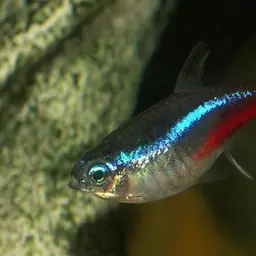


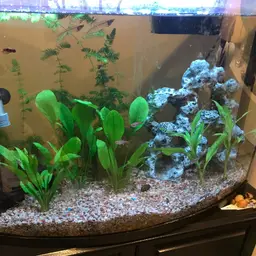
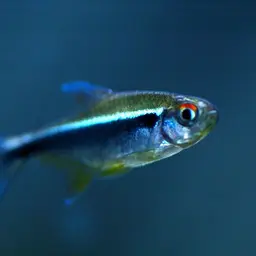

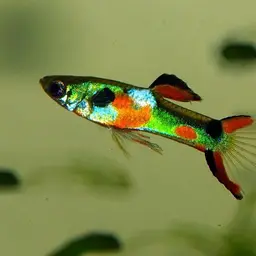
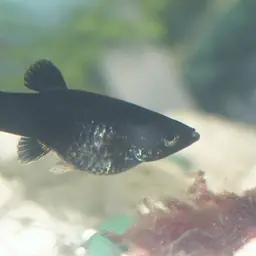
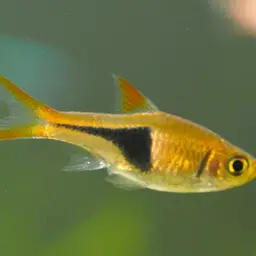
Good tank mates
Species that tend to coexist peacefully with Checker Barb
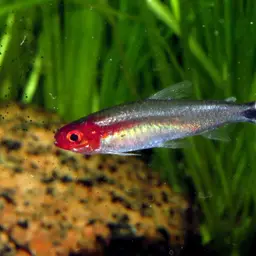
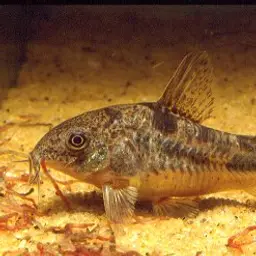
From the same region
Share the same natural habitat. Great for a biotope-themed tank
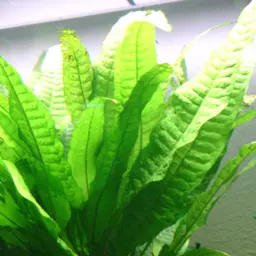
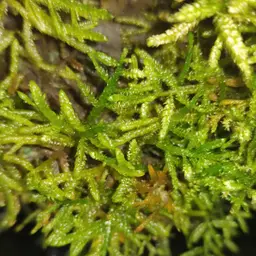
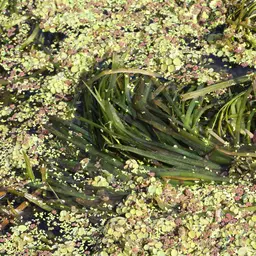
Frequently asked questions
- How big does the Checker Barb get?
- The Checker Barb reaches about 1–2" as an adult.
- What size tank does the Checker Barb need?
- A minimum of 7 gallons is recommended for the Checker Barb, with more room needed for a proper group.
- What water parameters does the Checker Barb need?
- The Checker Barb does best with a temperature of 64–82°F, a pH of 5.5–7.5, hardness around 2–12 dGH.
- Is the Checker Barb aggressive?
- The Checker Barb is generally peaceful and suits a community tank with similarly calm tankmates.
- What does the Checker Barb eat?
- The Checker Barb is an omnivore. It does well on a varied diet of quality flake or pellet plus occasional frozen or live foods.