Discus
Symphysodon discus
The crown jewel of the Amazon, built for serious fishkeepers who love a challenge.

About
Discus (Symphysodon discus) are the round, laterally compressed showpieces of the Amazon basin, and few freshwater fish carry themselves with quite the same presence. Wild fish are found in calm, darkly stained waters near the mouth of the Negro River and in the lower stretches of the Abacaxis and Trombetas rivers in Brazil. Slow, warm, acidic environments that this species has adapted to over millions of years. The body is almost perfectly disc-shaped, and between the vivid color forms developed in the hobby and the natural wild variants, the visual range is genuinely impressive. In the wild they are opportunistic feeders, picking at worms, small crustaceans, insects, and plant material along the riverbed and margins. In the aquarium they are peaceful fish that do best in groups and can become surprisingly personable with regular human interaction, often recognizing their keeper at feeding time. Despite being listed here as beginner-friendly, that label deserves a caveat. Discus are sensitive to water quality and do best when their keeper pays close attention to consistency. They reward patience and careful husbandry with long lives and behavior that few other freshwater fish can match.
Varieties & strains
3 recognized strains of Discus.
Similar species
Other fish you might consider
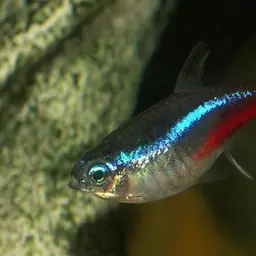

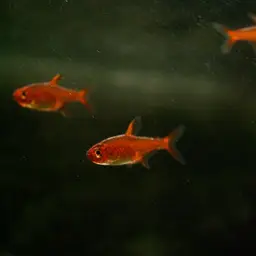

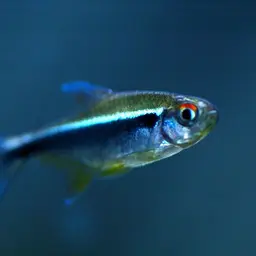

Good tank mates
Species that tend to coexist peacefully with Discus
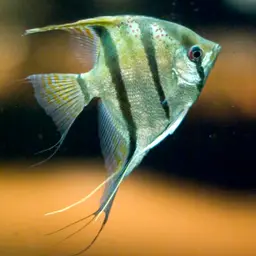
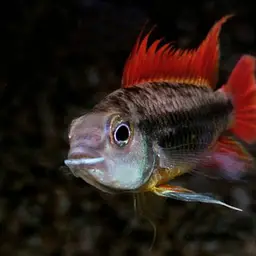
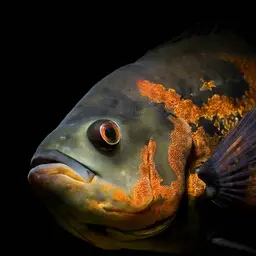
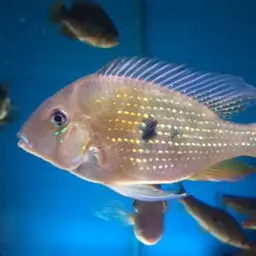
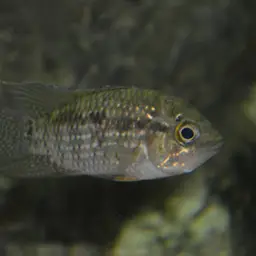
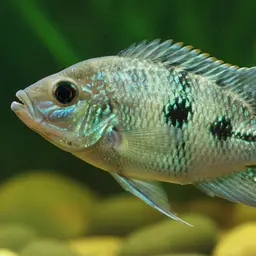
From the same region
Share the same natural habitat. Great for a biotope-themed tank
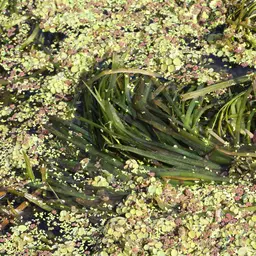
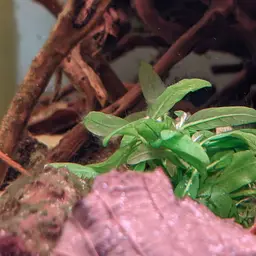
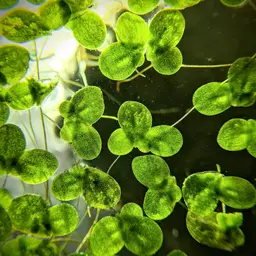
Frequently asked questions
- How big does the Discus get?
- The Discus reaches about 3–6" as an adult.
- What size tank does the Discus need?
- A minimum of 50 gallons is recommended for the Discus, with more room needed for a proper group.
- What water parameters does the Discus need?
- The Discus does best with a temperature of 75–86°F, a pH of 4–7.5, hardness around 1–8 dGH.
- Is the Discus aggressive?
- The Discus is semi-aggressive. It can work in a community with careful tankmate choices and enough space.
- What does the Discus eat?
- The Discus is a herbivore. It needs a plant-based diet such as algae, blanched vegetables, or spirulina-based foods.