Bolivian thorny catfish
Trachydoras steindachneri
A seldom-seen Amazonian thorny catfish that plays well with smaller tankmates.

About
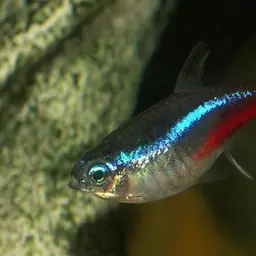
Found in the Amazon River basin of South America, Trachydoras steindachneri is a small thorny catfish that belongs to the family Doradidae. A group recognized by the row of sharp lateral scutes running along the body. This particular species is genuinely uncommon in the hobby, turning up only occasionally at specialty dealers, so if you spot one, it's worth a second look. Adults reach a modest size that keeps them manageable in a reasonably sized tank, and their temperament is calm and sociable. They mix well with smaller community fish like tetras and barbs, and can also share space with peaceful dwarf cichlids and gouramis without much trouble. Like most doradids, they tend to be more active after the lights go down, spending daylight hours tucked under driftwood or among rocks. A soft substrate suits them well since they like to root around the bottom. Breeding has not been documented in aquarium conditions, so everything in the tank comes from wild collection, which partly explains why they remain scarce in the trade. Despite that rarity, their care needs are not demanding, making them a manageable choice even for hobbyists who haven't kept catfish before.
Similar species
Other fish you might consider
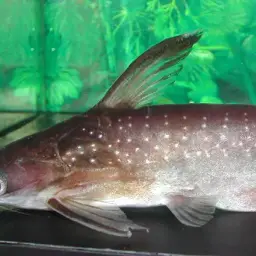
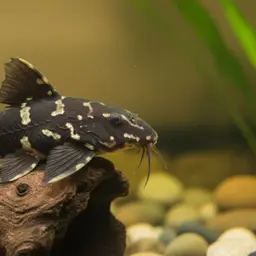
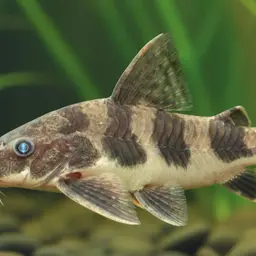
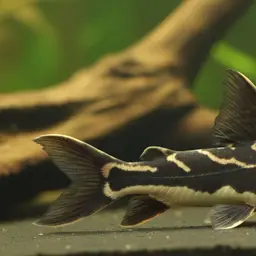
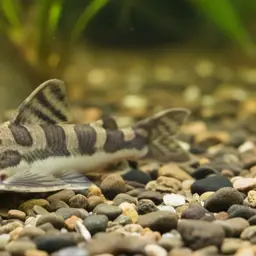
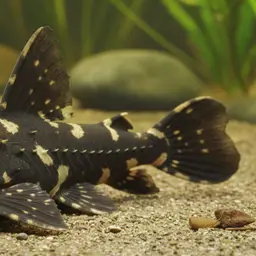
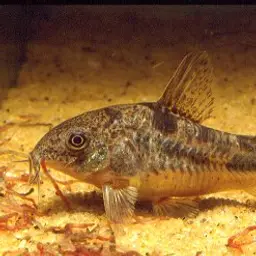
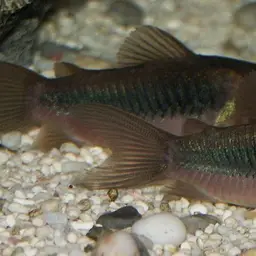
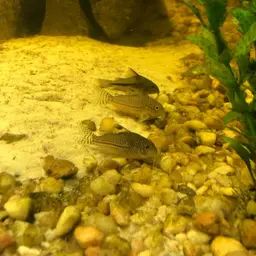
Good tank mates
Species that tend to coexist peacefully with Bolivian thorny catfish
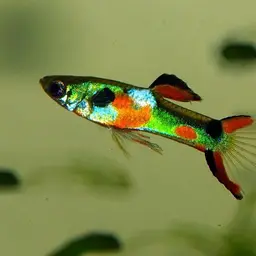
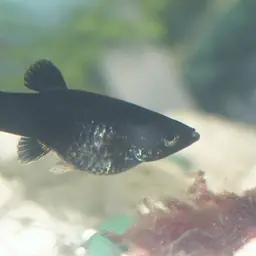
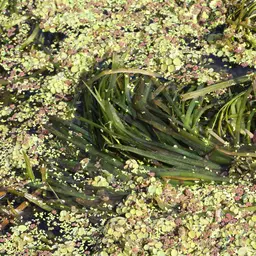
From the same region
Share the same natural habitat. Great for a biotope-themed tank


Frequently asked questions
- How big does the Bolivian thorny catfish get?
- The Bolivian thorny catfish reaches about 4–6.5" as an adult.
- What size tank does the Bolivian thorny catfish need?
- A minimum of 26 gallons is recommended for the Bolivian thorny catfish.
- What water parameters does the Bolivian thorny catfish need?
- The Bolivian thorny catfish does best with a temperature of 72–82°F, a pH of 6–7.5, hardness around 4–18 dGH.
- Is the Bolivian thorny catfish aggressive?
- The Bolivian thorny catfish is generally peaceful and suits a community tank with similarly calm tankmates.