Mustard Tang
Acanthurus guttatus
Also known as: Mustard Surgeonfish, Spotted Surgeonfish, Spotted Tang
A surge-zone schooler that thrives where the waves crash hardest.

About
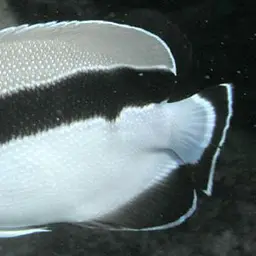
The mustard surgeonfish (Acanthurus guttatus) is one of the more visually distinctive tangs in the Indo-Pacific, recognizable by the bold white spots and bands that break up its darker body. The source of its alternate name, spotband surgeonfish. In the wild, this species is found across a sweeping range from the western Indian Ocean out to Hawaii, the Marquesas, and the Tuamotu Islands, living right in the thick of the action on clear seaward reefs where surge and strong currents are the norm. It is a genuinely schooling fish in nature, gathering in groups to graze on filamentous and calcareous algae over reef flats that most other fish avoid due to the pounding water movement. Bringing one into captivity means committing to a very large system. This is not a fish that settles comfortably into a modest setup. It grows to a respectable size and does best when kept with the kind of open, turbulent flow that mirrors its natural habitat. A dedicated algae grazer, it appreciates a tank with good microalgae growth and a varied plant-based diet. Its schooling instinct and surge-zone origins put it squarely in the intermediate-to-advanced category, suited to keepers with serious reef infrastructure already in place.
Similar species
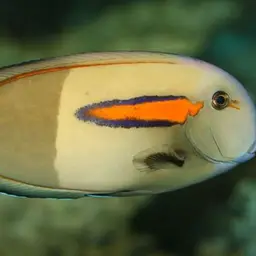
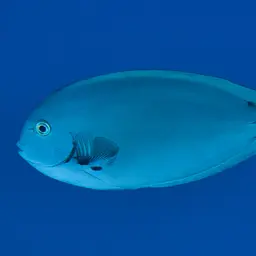
Other fish you might consider
Good tank mates
Species that tend to coexist peacefully with Mustard Tang
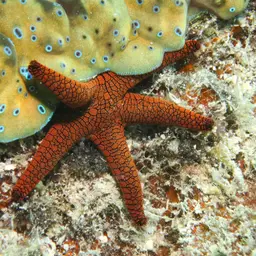
From the same region
Share the same natural habitat. Great for a biotope-themed tank
Frequently asked questions
- How big does the Mustard Tang get?
- The Mustard Tang reaches about 6–12" as an adult.
- What size tank does the Mustard Tang need?
- A minimum of 250 gallons is recommended for the Mustard Tang, with more room needed for a proper group.
- What water parameters does the Mustard Tang need?
- The Mustard Tang does best with a temperature of 72–82°F, a pH of 8–8.4.
- Is the Mustard Tang aggressive?
- The Mustard Tang is generally peaceful and suits a community tank with similarly calm tankmates.
- What does the Mustard Tang eat?
- The Mustard Tang is a herbivore. It needs a plant-based diet such as algae, blanched vegetables, or spirulina-based foods.
- How long does the Mustard Tang live?
- With good care, the Mustard Tang typically lives 5-8 years.
- Is the Mustard Tang reef safe?
- The Mustard Tang is generally considered reef safe.