Siamese Algae Eater
Crossocheilus siamensisis
The genuine algae-eating workhorse that actually earns its keep in a planted tank.

About
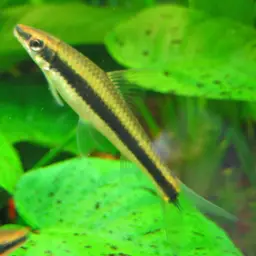
The Siamese algae eater (Crossocheilus siamensis) is one of those rare fish that genuinely delivers on its reputation as an algae controller. Where many so-called algae eaters are selective at best, this species tackles filamentous algae and even cyanobacteria. The stubborn blue-green slime that most fish completely ignore. That combination makes it genuinely useful rather than just decorative in a planted setup. Native to river systems in Southeast Asia, it's a slender, torpedo-shaped fish with a bold dark horizontal stripe running from snout to tail, which helps distinguish it from several lookalike species that don't share the same appetite. Behavior-wise, these fish are peaceful and active, spending most of their time grazing along surfaces rather than harassing tankmates. They're compatible with dwarf shrimp and generally leave plants alone, which is a meaningful plus in a heavily planted aquarium. Provided the tank is fully cycled and established before introduction, they're quite forgiving and adapt to a reasonable range of water conditions. A solid choice for newer keepers who want practical algae management without a steep learning curve. They can reach a decent adult size, so keep that in mind when planning a community, but their temperament rarely causes issues.
Similar species
Other fish you might consider
Good tank mates
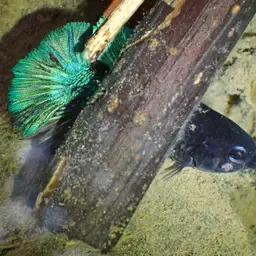
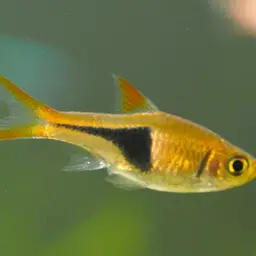
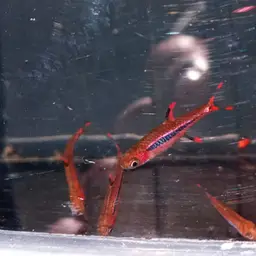
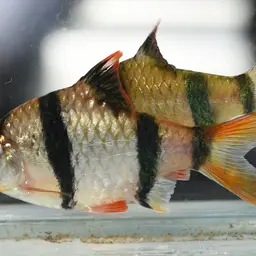
Species that tend to coexist peacefully with Siamese Algae Eater
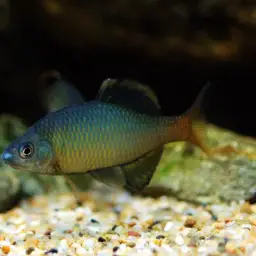
From the same region
Share the same natural habitat. Great for a biotope-themed tank



Frequently asked questions
- What water parameters does the Siamese Algae Eater need?
- The Siamese Algae Eater does best with a pH of 7.2–7.5.
- Is the Siamese Algae Eater aggressive?
- The Siamese Algae Eater is generally peaceful and suits a community tank with similarly calm tankmates.
- What does the Siamese Algae Eater eat?
- The Siamese Algae Eater is a herbivore. It needs a plant-based diet such as algae, blanched vegetables, or spirulina-based foods.