Cherry Blossom Coral
Dendronephthya gigantea
A tree-like soft coral that demands strong flow and rewards patience.

About
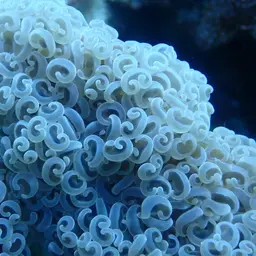
Found across the Indo-West Pacific from the Amirante Islands and Philippines to Japan and New Caledonia, this obscure soft coral, Dendronephthya gigantea, is one of those species where the common name offers no help at all. It simply carries its scientific name. What it does offer is an unmistakable branching, tree-like structure that sets it apart from the fleshy, simpler forms many hobbyists picture when they think of soft corals. In the wild it occupies subtropical reef environments where it attaches itself permanently to hard substrate and depends heavily on consistent, vigorous water movement. That high-flow requirement is not negotiable in captivity. Without it, the colony struggles to expand and feed properly. Dendronephthya corals are non-photosynthetic, meaning they get no nutritional benefit from light and instead rely entirely on particulate matter and planktonic food carried to them by the current. This is the core challenge: keeping a colony fed and healthy over the long term demands regular target feeding and dialed-in flow, which is why intermediate experience is a fair minimum. It is reef safe and poses no chemical threat to neighbors, but its demanding feeding requirements make it a better fit for keepers who already have a handle on the basics.
Similar species
Other coral you might consider
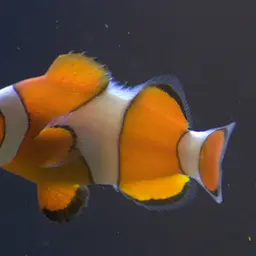
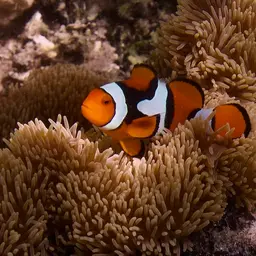
Good tank mates
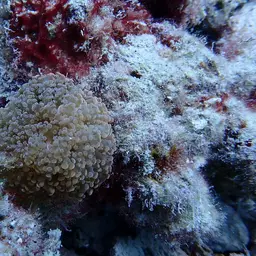
Species that tend to coexist peacefully with Cherry Blossom Coral
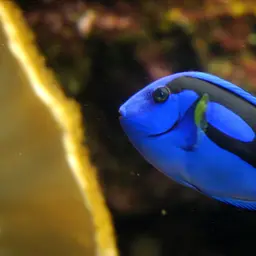
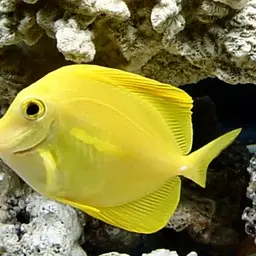
From the same region
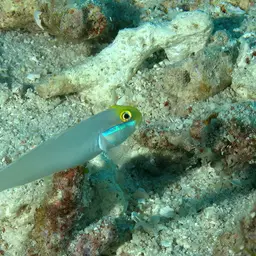
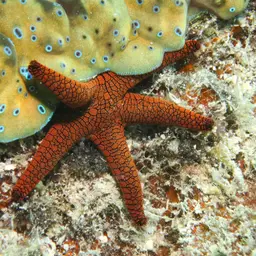
Share the same natural habitat. Great for a biotope-themed tank
Frequently asked questions
- What water parameters does the Cherry Blossom Coral need?
- The Cherry Blossom Coral does best with a temperature of 72–78°F, a pH of 8.1–8.3.
- What does the Cherry Blossom Coral eat?
- The Cherry Blossom Coral is a filter feeder. It eats tiny particles suspended in the water and usually needs target feeding in a home tank.
- Is the Cherry Blossom Coral reef safe?
- The Cherry Blossom Coral is generally considered reef safe.