Duncan Coral
Duncanopsammia axifuga
Also known as: branched disc coral, daisy coral, whisker coral
Tentacles out day and night, this branching coral is as active as it gets.

About
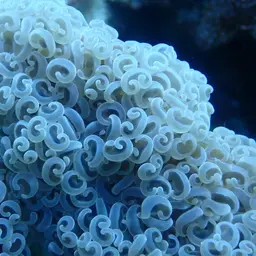
Duncan coral (Duncanopsammia axifuga) is one of those LPS corals that genuinely rewards you for watching it. Unlike many stony corals that retract at the slightest disturbance, Duncans extend their tentacles continuously, day and night, to the point where the flowing mass of polyps can completely hide the underlying skeletal structure of the colony. In the wild, this species grows in phaceloid colonies: long, tube-like corallites that fork off at irregular intervals and face upward, each one roughly a centimeter across. Coloration tends toward green or a cool blue-grey. Naturally found in the Western Central Pacific, including waters around the Philippines, wild colonies typically grow deeper than 20 meters, anchored to hard substrate in areas where sandy sediment is the norm. In the aquarium, Duncans are a reasonable choice for hobbyists who have moved past their first reef tank and have a stable system running. They prefer lower light levels and moderate water movement, which suits their deeper-water origins. While generally not an aggressor in the same league as some LPS corals, they should still be given enough space away from neighboring corals and any anemones that might wander into contact with them.
Similar species
Other coral you might consider
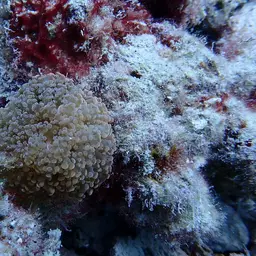
From the same region
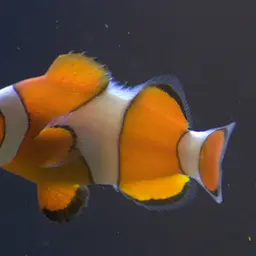
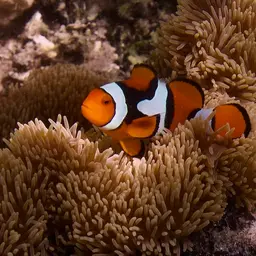
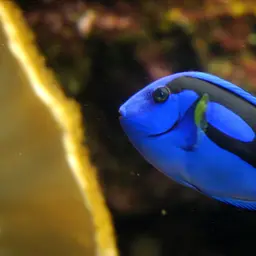
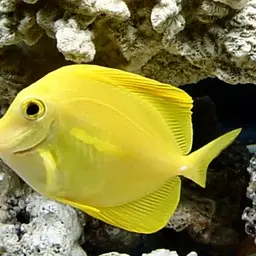
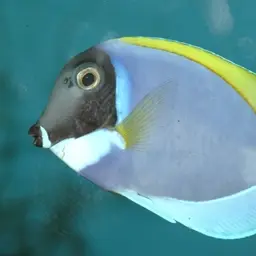
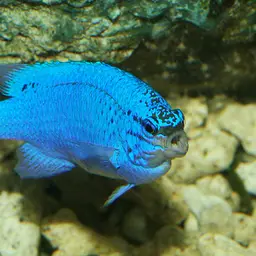
Share the same natural habitat. Great for a biotope-themed tank
Frequently asked questions
- What water parameters does the Duncan Coral need?
- The Duncan Coral does best with a temperature of 72–79°F, a pH of 8.1–8.4.
- Is the Duncan Coral aggressive?
- The Duncan Coral is aggressive and is best kept alone or with robust tankmates that can hold their own.
- What does the Duncan Coral eat?
- The Duncan Coral is a filter feeder. It eats tiny particles suspended in the water and usually needs target feeding in a home tank.
- Is the Duncan Coral reef safe?
- The Duncan Coral is generally considered reef safe.