Disc Coral
Duncanopsammia peltata
A forgiving large-polyp coral that rewards beginners and veterans alike.

About
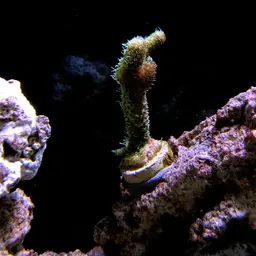
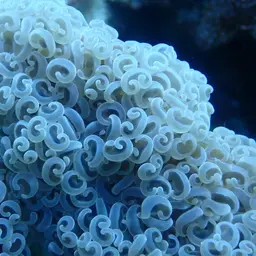
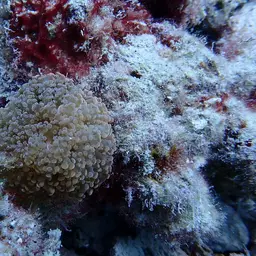
Disc coral (Duncanopsammia peltata) is a large-polyp stony coral from the Indo-Pacific, found across a broad range from the eastern coast of Africa out through the Pacific, typically in reef-associated environments from shallow water down to around 40 meters. Each polyp is notably large and fleshy, extending well beyond the hard skeletal base when the animal is open and feeding, which gives a healthy colony a lush, almost anemone-like appearance. Colors tend toward greens and browns, often with contrasting oral disc patterns that become more visible once polyps are fully extended. In the aquarium, disc coral has earned a solid reputation as one of the more forgiving large-polyp stony corals available to reef keepers. It does well under lower light conditions compared to many other LPS corals, which makes placement more flexible in a typical reef tank. Moderate water movement suits it well. Enough to carry food to the polyps and carry away waste, but not so much that the polyps are constantly deflected and stressed. Colonies grow in branching formations, with individual polyps sitting at the tips, and will gradually spread given stable conditions. It is reef safe and generally non-aggressive toward neighbors, making it a practical choice for mixed LPS setups.
Similar species
Other coral you might consider
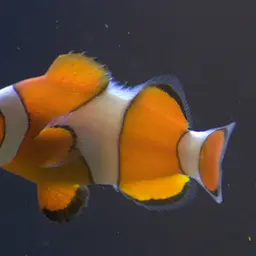
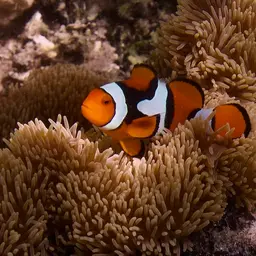
Good tank mates
Species that tend to coexist peacefully with Disc Coral
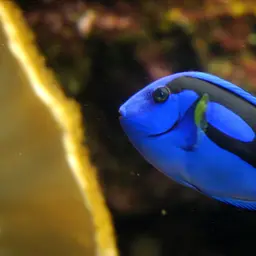
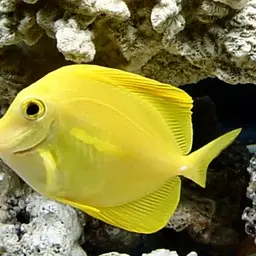
From the same region
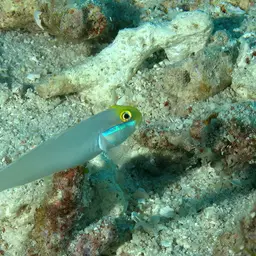
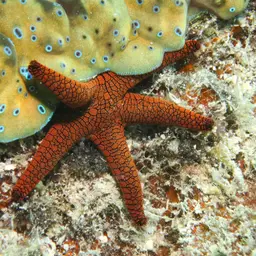
Share the same natural habitat. Great for a biotope-themed tank
Frequently asked questions
- What water parameters does the Disc Coral need?
- The Disc Coral does best with a temperature of 72–82°F, a pH of 8–8.4.
- Is the Disc Coral aggressive?
- The Disc Coral is generally peaceful and suits a community tank with similarly calm tankmates.
- What does the Disc Coral eat?
- The Disc Coral is a filter feeder. It eats tiny particles suspended in the water and usually needs target feeding in a home tank.
- Is the Disc Coral reef safe?
- The Disc Coral is generally considered reef safe.