Snake Polyp
Isaurus cliftoni
A reef-safe Pacific zoanthid that's forgiving enough for beginners to keep.

About
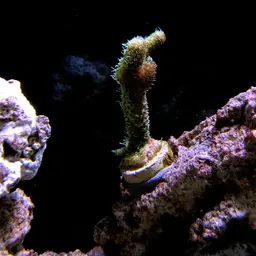
A sessile colonial zoanthid from the tropical Western Central Pacific, Isaurus cliftoni is known from Fijian reefs and related waters around New Caledonia. The genus Isaurus is sometimes called the snake polyp group, recognized by its elongated, cylindrical polyp columns that distinguish it from the more familiar button-shaped zoanthids many hobbyists encounter first. Individual polyps extend upward from a shared mat and can retract fully when disturbed, which is normal behavior rather than a sign of stress. In the reef aquarium, this coral asks for moderate water flow and moderate lighting. Conditions that are easy to dial in with standard equipment, which is part of why it suits less experienced reef keepers reasonably well. It poses no known threat to neighboring corals or invertebrates, making placement relatively flexible in a community reef setup. Scientific literature on this particular species remains fairly sparse, so much of what hobbyists know comes from general Isaurus husbandry rather than species-specific studies. That said, it appears to be a durable and undemanding coral that rewards consistent water quality and stable conditions with steady, unfussy growth.
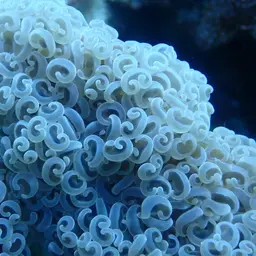
Similar species
Other coral you might consider
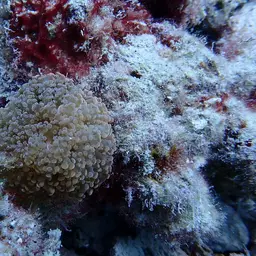
Good tank mates
Species that tend to coexist peacefully with Snake Polyp
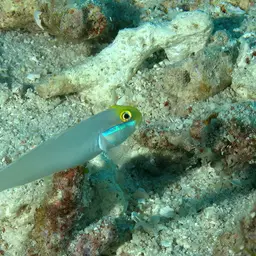
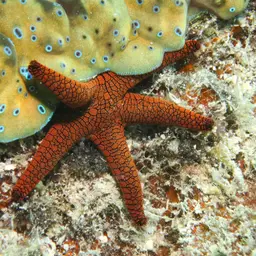
From the same region
Share the same natural habitat. Great for a biotope-themed tank
Frequently asked questions
- What water parameters does the Snake Polyp need?
- The Snake Polyp does best with a temperature of 72–82°F, a pH of 8–8.4.
- What does the Snake Polyp eat?
- The Snake Polyp is a filter feeder. It eats tiny particles suspended in the water and usually needs target feeding in a home tank.
- Is the Snake Polyp reef safe?
- The Snake Polyp is generally considered reef safe.