Hawaiian Plate Coral
Leptoseris hawaiiensis
Also known as: porcelain coral
A low-light reef wall dweller that thrives where most corals won't venture.

About
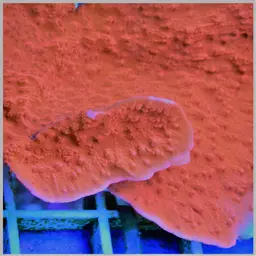
Hawaiian Plate Coral (Leptoseris hawaiiensis) is one of those corals that genuinely earns its place in a low-light reef setup. Found across a broad stretch of the Indo-Pacific, this species is adapted to life on vertical and overhanging reef walls, often at considerable depth. Sometimes well below where most light-demanding corals can survive. That natural history makes it a genuinely useful addition to tanks where bright illumination isn't practical or desired. The growth form ranges from encrusting to foliose, producing thin, layered sheets that spread outward over rock surfaces. Look closely and you'll notice the corallites are rounded and sit deep within the skeleton, scattered irregularly across the surface, often with one central corallite more prominent than the rest. Particularly visible in younger or smaller colonies. The septo-costae run evenly across the coenosteum, giving the whole surface a smooth, almost porcelain-like texture, which likely explains the alternate common name. Coloration is typically brown or green, occasionally mottled, so it won't pull focus the way brighter corals do, but it adds genuine texture and natural character to a rockwork display. Paired with its tolerance for gentle flow and subdued light, this is a solid choice for newer reef keepers working with less-than-ideal tank positioning.
Similar species
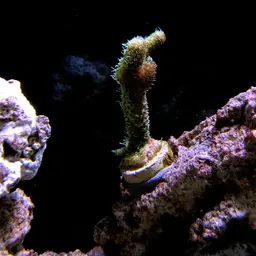
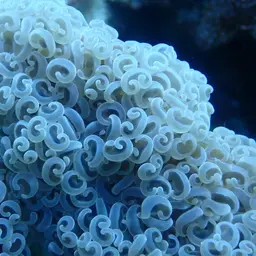
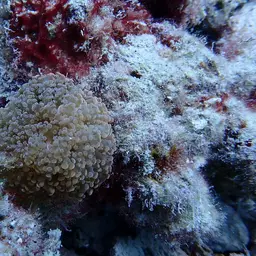
Other coral you might consider
Good tank mates
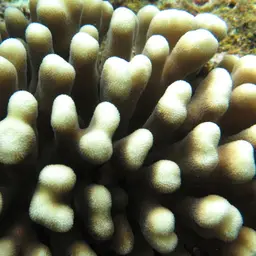
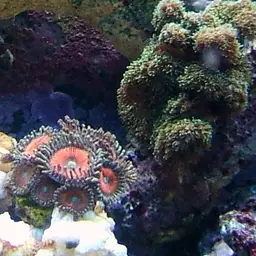
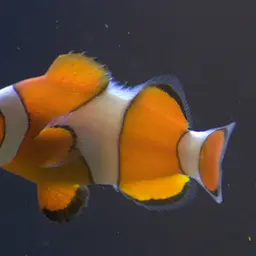
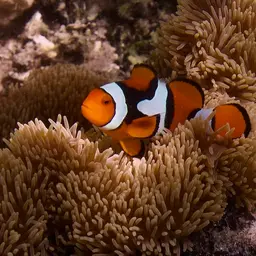
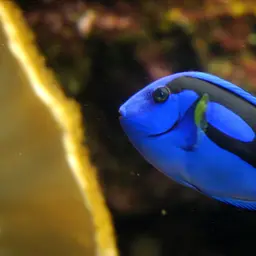
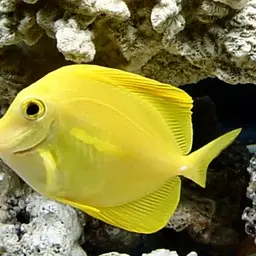
Species that tend to coexist peacefully with Hawaiian Plate Coral
From the same region
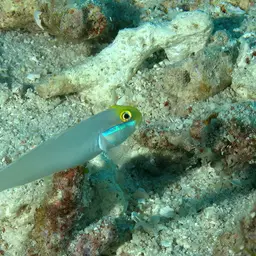
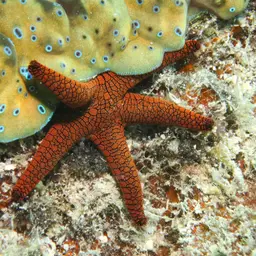
Share the same natural habitat. Great for a biotope-themed tank
Frequently asked questions
- What water parameters does the Hawaiian Plate Coral need?
- The Hawaiian Plate Coral does best with a temperature of 72–82°F, a pH of 8–8.4.
- Is the Hawaiian Plate Coral reef safe?
- The Hawaiian Plate Coral is generally considered reef safe.