Naso Tang
Naso lituratus
Also known as: Barcheek Unicornfish, Masked Unicornfish
A wide-ranging Pacific grazer that needs serious space to thrive.

About
The barcheek unicornfish (Naso lituratus) is one of the more visually distinctive members of the surgeonfish family, dressed in a warm palette of oranges, yellows, and blacks with a bold facial mask that makes identification straightforward even at a glance. Despite the name, this species lacks the prominent rostral horn seen in some of its relatives, though it makes up for that with dramatic coloration and an elegant, streamlined build that hints at a fish built for open water. In the wild it ranges across a huge swath of the Indo-Pacific, from the waters around Japan and the Hawaiian Islands down through the Great Barrier Reef and into French Polynesia, typically living around coral, rock, and rubble on lagoon and seaward reefs. Adults often move in loose groups, browsing heavily on leafy brown algae like Sargassum. Juveniles tend to hang out on shallower rocky reefs, sometimes mixing with other similarly sized surgeonfishes. In the aquarium, this species is peaceful by tang standards and won't typically start trouble with tankmates, but it is absolutely a fish that demands space. Keeping one well means investing in a very large, well-established system with constant water movement and a reliable supply of algae-based foods. This is not a beginner's fish.
Similar species
Other fish you might consider
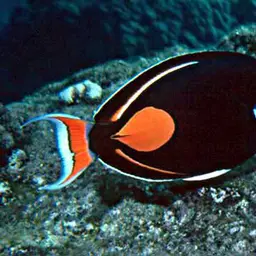
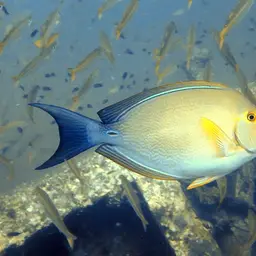
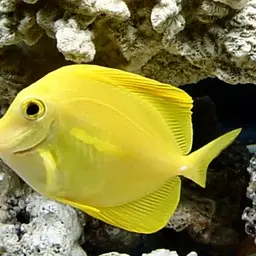
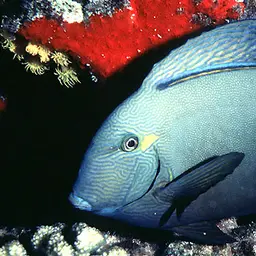
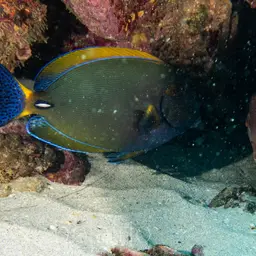
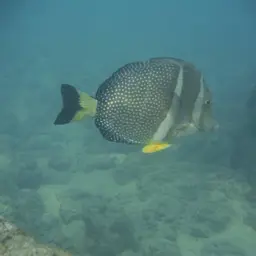
Good tank mates
Species that tend to coexist peacefully with Naso Tang
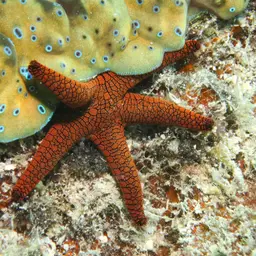
From the same region
Share the same natural habitat. Great for a biotope-themed tank
Frequently asked questions
- How big does the Naso Tang get?
- The Naso Tang reaches about 11–18" as an adult.
- What size tank does the Naso Tang need?
- A minimum of 250 gallons is recommended for the Naso Tang.
- What water parameters does the Naso Tang need?
- The Naso Tang does best with a temperature of 72–82°F, a pH of 8–8.4.
- Is the Naso Tang aggressive?
- The Naso Tang is generally peaceful and suits a community tank with similarly calm tankmates.
- What does the Naso Tang eat?
- The Naso Tang is a herbivore. It needs a plant-based diet such as algae, blanched vegetables, or spirulina-based foods.
- How long does the Naso Tang live?
- With good care, the Naso Tang typically lives 8-15 years.
- Is the Naso Tang reef safe?
- The Naso Tang is generally considered reef safe.