Sunray Zoanthid
Palythoa heliodiscus
A hardy Pacific zoanthid that forgives beginner mistakes and rewards patient growers.

About
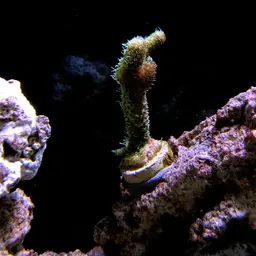
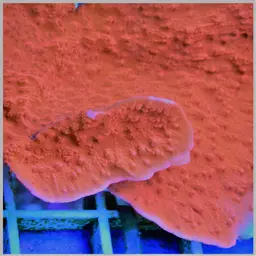
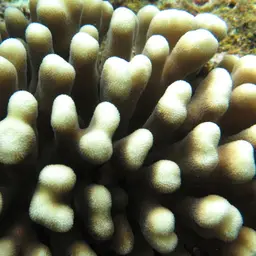
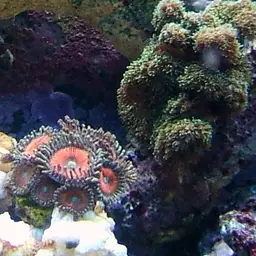
Found across shallow reef systems in the Northern Mariana Islands and Japanese waters, Palythoa heliodiscus is a colonial zoanthid that forms thick, encrusting mats as its polyps gradually fuse their bases together into a shared tissue called coenenchyme. This growth form gives established colonies a rugged, almost leathery look compared to the more delicate Zoanthus and Protopalythoa relatives many hobbyists keep alongside them. Individual polyps tend to be earthy in tone, often showing muted greens, browns, or grays rather than the vivid neons associated with some other zoanthids, but there is real appeal in the texture and form a mature mat develops over time. Like all Palythoa, this species can carry palytoxin, a potent natural compound, so handling with gloves and avoiding contact with your eyes or mouth is genuinely important. Not just cautious boilerplate. In the aquarium, it is a forgiving choice for newer reef keepers, asking only for moderate light and moderate flow to stay open and growing. It competes for space through chemical means and by overgrowing neighbors, so give it room to spread without placing it right against more sensitive corals. Propagation by fragging is straightforward once a colony is well established.
Similar species
Other coral you might consider
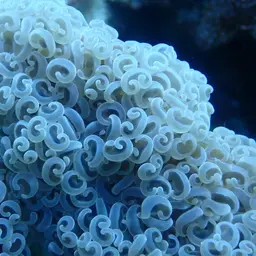
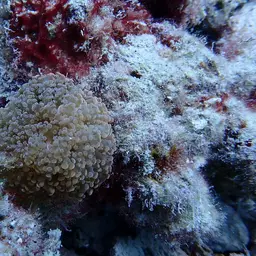
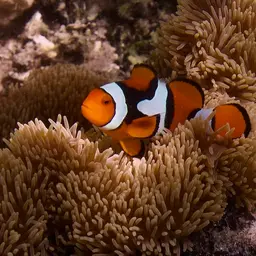
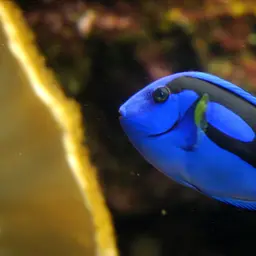
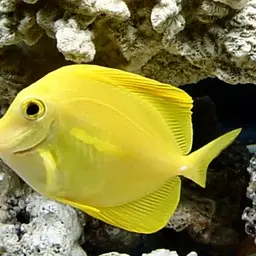
Good tank mates
Species that tend to coexist peacefully with Sunray Zoanthid
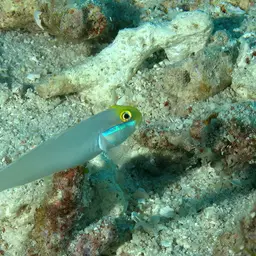
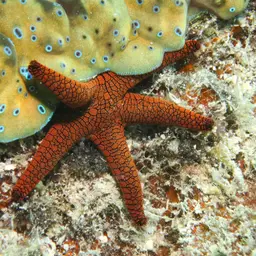
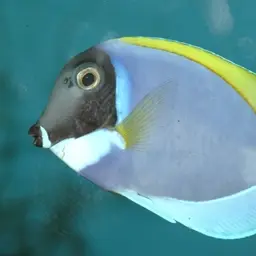
From the same region
Share the same natural habitat. Great for a biotope-themed tank

Frequently asked questions
- What water parameters does the Sunray Zoanthid need?
- The Sunray Zoanthid does best with a temperature of 72–82°F, a pH of 8–8.4.
- Is the Sunray Zoanthid reef safe?
- The Sunray Zoanthid is generally considered reef safe.