Raphael catfish
Platydoras costatus
Also known as: Chocolate Doradid Catfish, Raphael catfish, Striped dora,, Striped Dora
A bold-striped catfish that grunts, buries itself, and eats almost anything.

About
The chocolate doradid catfish (Platydoras costatus) is one of those bottom dwellers that rewards patient observation. The bold cream-and-dark-brown stripes running the length of its body make it easy to identify, and the rows of sharp scutes along its flanks are a reminder that this fish has some serious armor. In the wild it ranges across an impressive spread of South American river systems, the Amazon, Orinoco, Tocantins, and several others, where it roots around sandy and debris-strewn bottoms for mollusks, crustaceans, and whatever organic matter it can find. Juveniles have even been documented performing cleaning behavior on larger predatory fish, which is a genuinely surprising trait for a catfish. In the aquarium it stays peaceful toward tankmates it cannot swallow, though its appetite is enthusiastic enough that its belly can look almost comically round after a good meal. It will readily bury itself in soft substrate, so fine sand is a better choice than coarse gravel. One of its more endearing quirks is the audible croaking or grunting it produces, especially when handled or startled. It can live well over a decade with decent care, so this is a fish you commit to. A good choice for intermediate keepers with a roomy, well-structured tank.
Similar species
Other fish you might consider
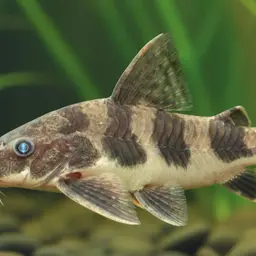
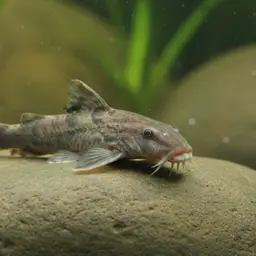
Good tank mates
Species that tend to coexist peacefully with Raphael catfish
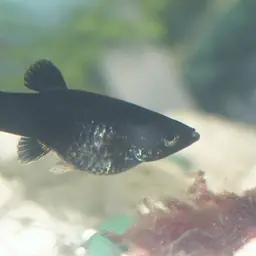
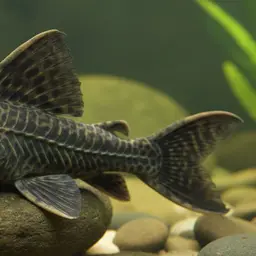
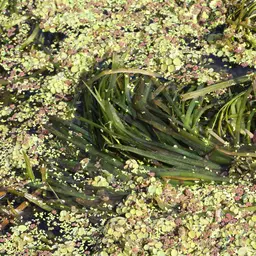
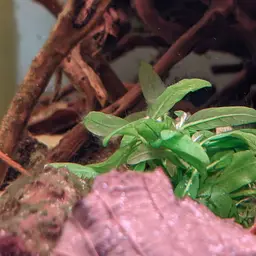
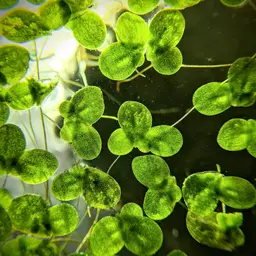
From the same region
Share the same natural habitat. Great for a biotope-themed tank
Frequently asked questions
- How big does the Raphael catfish get?
- The Raphael catfish reaches about 5.5–9.5" as an adult.
- What size tank does the Raphael catfish need?
- A minimum of 35 gallons is recommended for the Raphael catfish.
- What water parameters does the Raphael catfish need?
- The Raphael catfish does best with a temperature of 72–86°F, a pH of 5.5–7.8, hardness around 2–25 dGH.
- Is the Raphael catfish aggressive?
- The Raphael catfish is generally peaceful and suits a community tank with similarly calm tankmates.
- What does the Raphael catfish eat?
- The Raphael catfish is an omnivore. It does well on a varied diet of quality flake or pellet plus occasional frozen or live foods.
- How long does the Raphael catfish live?
- With good care, the Raphael catfish typically lives 8-12 years.