Sunshine Rasbora
Rasbora lacrimula
A tiny Bornean rasbora with a teardrop tail spot and big personality in a school.

About
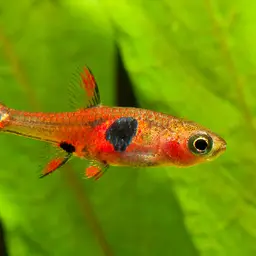
Found in the Mahakam river drainage of East Kalimantan, Borneo, this small stream fish, Rasbora lacrimula, turns up in the hobby under several trade names including sunshine rasbora and dwarf volcano rasbora. It reaches just over an inch as an adult and is best identified by a distinctive teardrop-shaped blotch at the base of the tail, a faint midlateral stripe, and a subtle irregular crest of small tubercles on the upper rear body and caudal fin. A feature shared with very few other rasboras and possibly linked to sexual maturity. The overall color pattern is understated but has a warm quality that really shows when males are competing for female attention in a healthy group. Being fully peaceful and tolerant of a broad range of water conditions, this species works well in community setups alongside other small cyprinids, tetras, anabantoids, loaches, and similar fish. A forgiving choice for newer keepers. It is a genuine schooling fish and does noticeably better in groups of eight or more, behaving more naturally and with less skittishness than it would in smaller numbers. Breeding follows the typical egg-scattering pattern of small cyprinids, with no parental care and adults that will readily consume their own eggs, so separating spawners from eggs is necessary if raising fry is the goal.
Similar species
Other fish you might consider
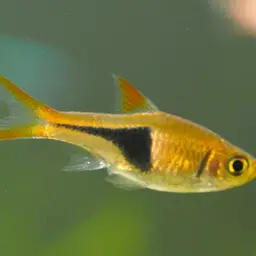
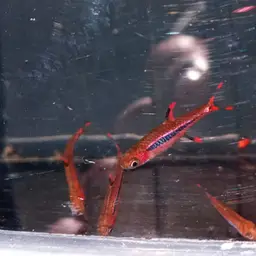
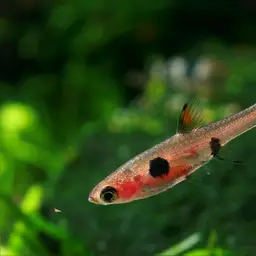
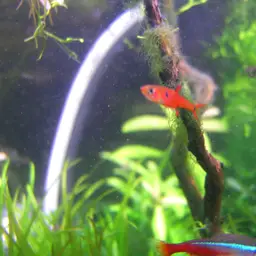
Good tank mates
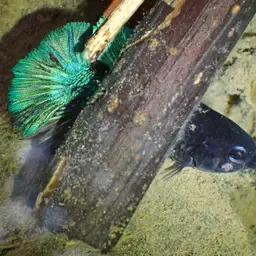
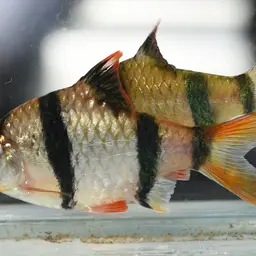
Species that tend to coexist peacefully with Sunshine Rasbora
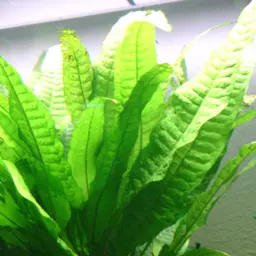
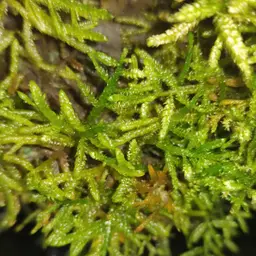
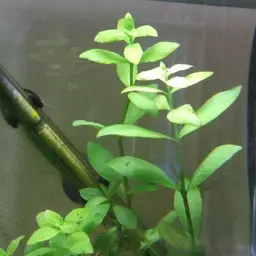
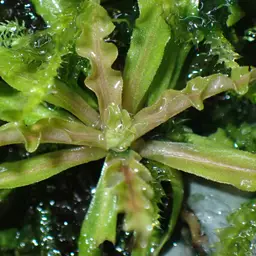
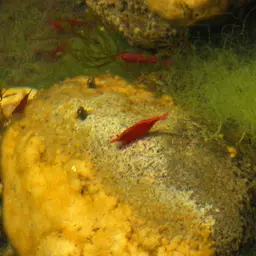
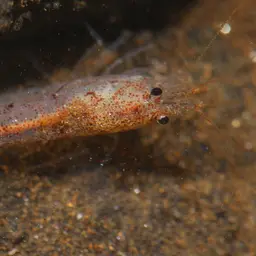
From the same region
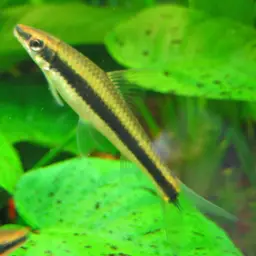
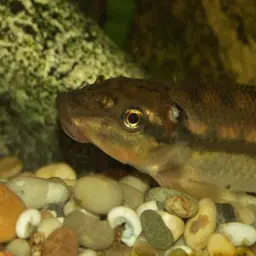
Share the same natural habitat. Great for a biotope-themed tank
Frequently asked questions
- How big does the Sunshine Rasbora get?
- The Sunshine Rasbora reaches about ~1" as an adult.
- What water parameters does the Sunshine Rasbora need?
- The Sunshine Rasbora does best with a pH of 4–7.5, hardness around 1–12 dGH.
- Is the Sunshine Rasbora aggressive?
- The Sunshine Rasbora is generally peaceful and suits a community tank with similarly calm tankmates.
- What does the Sunshine Rasbora eat?
- The Sunshine Rasbora is a carnivore. It needs a meaty, protein-rich diet of frozen or live foods.