Red Spotted Nerite Snail
Clithon diadema
Also known as: Sun Thread Nerite
A boldly patterned algae grazer that keeps glass and hardscape spotless.

About
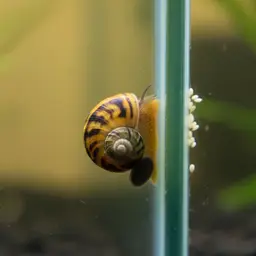
The red spotted nerite snail (Clithon diadema) is one of the more visually interesting nerites you can keep in a freshwater tank. The shell is typically dark, banded with fine lines and marked with bright red or orange spots that vary noticeably from snail to snail, so no two look exactly alike. Like other nerites, this species originates from brackish and freshwater environments in the Indo-Pacific region, where it grazes constantly on biofilm and algae coating rocks and submerged surfaces. That grazing behavior is exactly what makes it so useful in the aquarium. It will work its way methodically across the glass, hardscape, and plant leaves, clearing soft green algae and diatoms without bothering your plants or tankmates. Red spotted nerites are peaceful by nature and get along fine with community fish, shrimp, and other snails. One well-known quirk shared by the whole nerite group applies here too: they will lay small white eggs on hard surfaces throughout the tank, and those eggs won't hatch in purely freshwater conditions, so you won't end up with a snail population explosion. Overall this is a forgiving, low-maintenance snail that suits newer keepers well.
Similar species
Other invertebrate you might consider
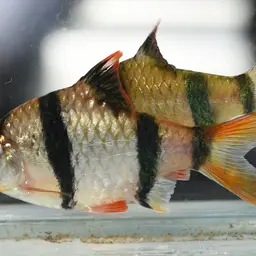
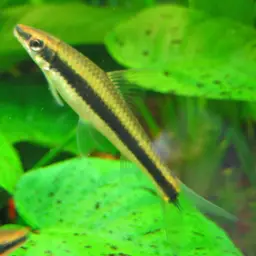
Good tank mates
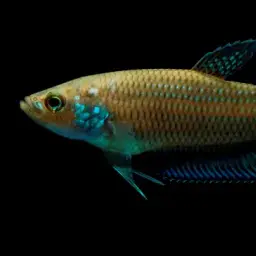
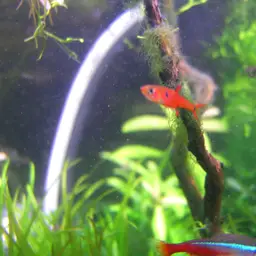
Species that tend to coexist peacefully with Red Spotted Nerite Snail
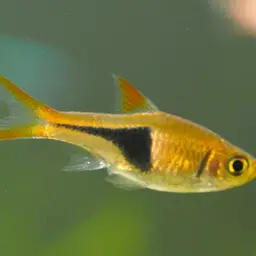
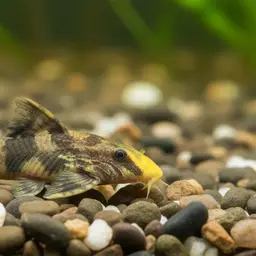
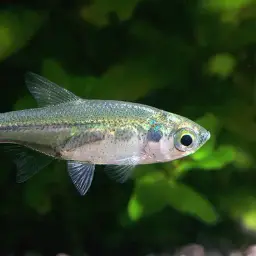
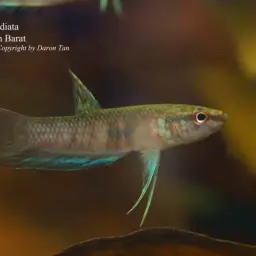
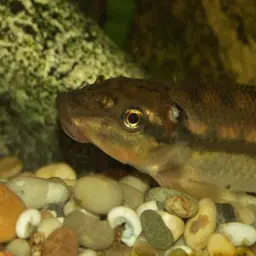
From the same region
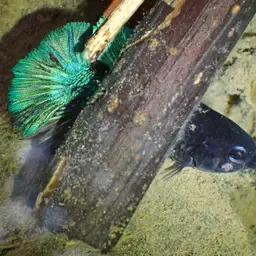
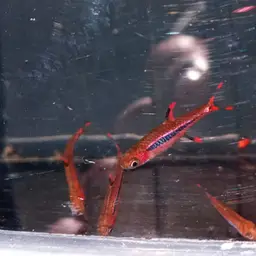
Share the same natural habitat. Great for a biotope-themed tank
Frequently asked questions
- How big does the Red Spotted Nerite Snail get?
- The Red Spotted Nerite Snail reaches about 0.5–1" as an adult.
- What water parameters does the Red Spotted Nerite Snail need?
- The Red Spotted Nerite Snail does best with a temperature of 70–80°F, a pH of 7–8, hardness around 6–15 dGH.
- Is the Red Spotted Nerite Snail aggressive?
- The Red Spotted Nerite Snail is generally peaceful and suits a community tank with similarly calm tankmates.
- What does the Red Spotted Nerite Snail eat?
- The Red Spotted Nerite Snail is a herbivore. It needs a plant-based diet such as algae, blanched vegetables, or spirulina-based foods.