Biara
Rhaphiodon vulpinus
A sleek South American predator that outgrows almost every home aquarium.

About
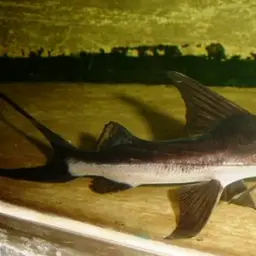
Biara (Rhaphiodon vulpinus) is one of those fish that looks like it belongs in a natural history museum more than a fish tank. An elongated, torpedo-shaped predator with oversized canine teeth that lock neatly into slots in the upper jaw, allowing the mouth to close completely. It's the sole representative of its genus and sits within the dogtooth characins, a group of characiformes defined by their oblique mouths and highly developed fang-like dentition. In the wild, Biara ranges across the Amazon, Orinoco, and Paraná river systems as well as rivers of Guyana, where it feeds almost exclusively on fish and migrates into seasonally flooded areas to spawn. A behavior tied closely to annual flood cycles. Adults regularly reach two feet or more in length, which tells you most of what you need to know about keeping one at home. Juveniles show up for sale fairly often, usually without clear information about how large they get, and the vast majority end up in tanks that simply cannot accommodate them long-term. Biara is actually quite peaceful by temperament and can be kept with similarly-sized fish it cannot swallow, but the reality is that very few private keepers have the space to house this species properly. It has never been bred in captivity.
Similar species
Other fish you might consider
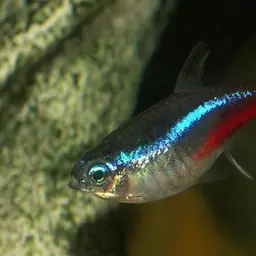

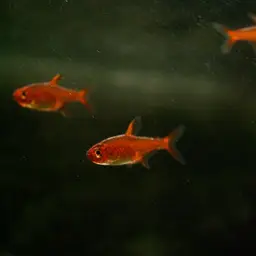

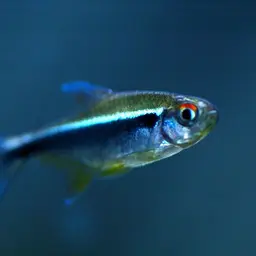

Good tank mates
Species that tend to coexist peacefully with Biara
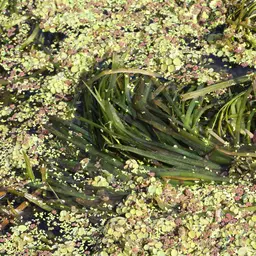


From the same region
Share the same natural habitat. Great for a biotope-themed tank
Frequently asked questions
- How big does the Biara get?
- The Biara reaches about 23.5–31.5" as an adult.
- What water parameters does the Biara need?
- The Biara does best with a temperature of 75–82°F, a pH of 6–8, hardness around 2–15 dGH.
- Is the Biara aggressive?
- The Biara is aggressive and is best kept alone or with robust tankmates that can hold their own.
- What does the Biara eat?
- The Biara is a carnivore. It needs a meaty, protein-rich diet of frozen or live foods.