Whiptail Catfish
Rineloricaria lanceolata
A gentle whiptail catfish that breeds willingly and guards its eggs with dedication.

About
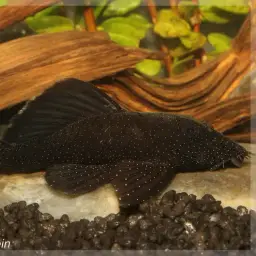
Found in the upper Amazon basin, this slender loricariid, Rineloricaria lanceolata, is one of the species most commonly sold under the name whiptail catfish. And for good reason. It has a characteristically elongated, lance-shaped body with armored plating and a long tapering tail, giving it that unmistakable whiptail silhouette. Despite the "aggressive" flag that occasionally gets attached to this species, that really only applies during spawning; day to day, it is one of the more laid-back catfish you can keep. It does best alongside small, calm fish, think small characins, Apistogramma, or Corydoras, and will become withdrawn if housed with boisterous or competitive tankmates that outcompete it for food. Keeping a small group is recommended, both for the fish's well-being and to increase the odds of obtaining a compatible pair. Breeding is genuinely achievable for intermediate keepers who put in the prep work. Males select and clean a cave, a short length of PVC pipe works perfectly, and take on sole responsibility for guarding and fanning the eggs after spawning. The fry are manageable but need constant access to soft vegetable matter and clean water to thrive. Like others in its genus, it can breathe air facultatively, which hints at its adaptability in the wild.
Similar species
Other fish you might consider
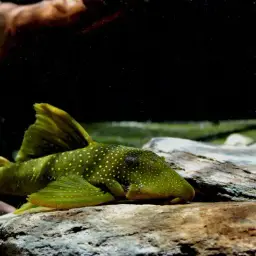
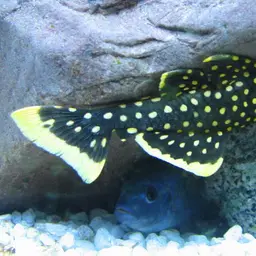
Good tank mates
Species that tend to coexist peacefully with Whiptail Catfish
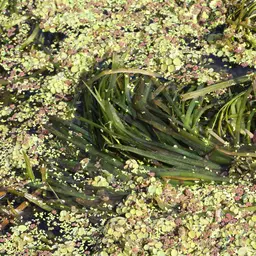
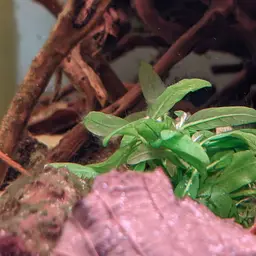
From the same region
Share the same natural habitat. Great for a biotope-themed tank
Frequently asked questions
- How big does the Whiptail Catfish get?
- The Whiptail Catfish reaches about 3–5" as an adult.
- What size tank does the Whiptail Catfish need?
- A minimum of 14 gallons is recommended for the Whiptail Catfish.
- What water parameters does the Whiptail Catfish need?
- The Whiptail Catfish does best with a temperature of 72–82°F, a pH of 6–8, hardness around 5–20 dGH.
- Is the Whiptail Catfish aggressive?
- The Whiptail Catfish is aggressive and is best kept alone or with robust tankmates that can hold their own.
- What does the Whiptail Catfish eat?
- The Whiptail Catfish is an omnivore. It does well on a varied diet of quality flake or pellet plus occasional frozen or live foods.
- How long does the Whiptail Catfish live?
- With good care, the Whiptail Catfish typically lives 8-12 years.