Thin Birdsnest Coral
Seriatopora hystrix
Also known as: bush coral, needle coral, spiny row coral
Delicate needle-tipped branches form airy thickets that reward attentive reef keepers.

About
Thin birdsnest coral (Seriatopora hystrix) is one of the more recognizable small-polyp stony corals in the reef hobby, built from a network of slender, sharply tapered branches that give the whole colony the look of a detailed thorny shrub. Most specimens come in shades of pink, though cream, blue, and green forms turn up occasionally. In the wild, this species grows across the Indo-West Pacific in shallow reef environments, including intertidal flats where conditions can swing between calm and rough. Colonies exposed to strong wave action tend to develop shorter, thicker branches, while those in calmer spots grow longer and more loosely spaced. A neat example of how the same coral can look quite different depending on where it grew up. Polyps stay retracted during the day, so most of the visual interest comes from the branch architecture itself rather than any tentacle display. In the aquarium, this coral needs consistent strong flow and high light to thrive. Its thin branches make it more fragile than many SPS corals, so placement matters. It can be damaged by aggressive neighbors or repeated contact. It is generally considered an intermediate-level SPS coral, suitable for reefers who already have stable water chemistry dialed in and some experience keeping demanding stony corals.
Similar species
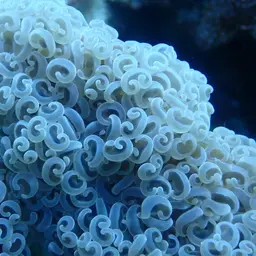
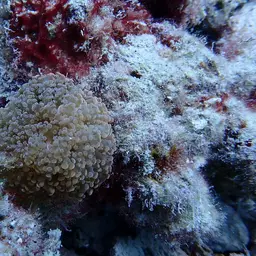
Other coral you might consider
Good tank mates
Species that tend to coexist peacefully with Thin Birdsnest Coral
From the same region
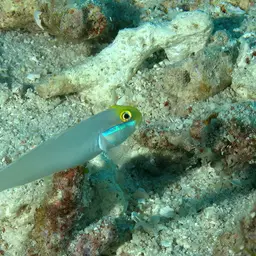
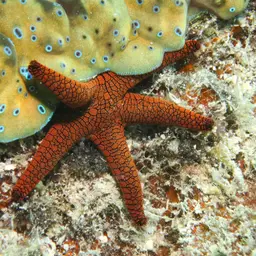
Share the same natural habitat. Great for a biotope-themed tank
Frequently asked questions
- How big does the Thin Birdsnest Coral get?
- The Thin Birdsnest Coral reaches about 7–12" as an adult.
- What water parameters does the Thin Birdsnest Coral need?
- The Thin Birdsnest Coral does best with a temperature of 72–82°F, a pH of 8–8.4.
- Is the Thin Birdsnest Coral reef safe?
- The Thin Birdsnest Coral is generally considered reef safe.