Viejita Apisto
Apistogramma viejita
Also known as: Viejita Dwarf Cichlid
A rarely traded Colombian dwarf cichlid that's almost impossible to find true-to-name.

About
Found in the upper Meta River basin of Colombia's Orinoco drainage, Apistogramma viejita is a small dwarf cichlid that presents a genuine challenge just to acquire. Not because it's difficult to keep, but because it's virtually never produced commercially. The fish sold under this name in the hobby are almost always A. macmasteri, a closely related species that gets mislabeled with frustrating regularity. If you want the real thing, you'll need to track down a specialist breeder. The easiest way to tell them apart is the dark upper edge of the dorsal fin on male viejita, which macmasteri lacks. Caudal spot shape also differs, with viejita tending toward rectangular, trapezoidal, or crescent forms rather than the "D" shape typical of macmasteri. In the aquarium, viejita is a rewarding fish once you have it sorted. Males are territorial toward each other but generally peaceful with small tetras, rasboras, and similar community fish. Wild-caught individuals tend to be more sensitive and are better kept with only small dither fish like pencilfish. Breeding follows the typical Apistogramma pattern. Eggs are laid inside a cave or crevice, the female takes primary responsibility for guarding and tending them, and the male resumes patrolling his broader territory. An intermediate-level species that rewards patient, attentive keepers.
Similar species
Other fish you might consider
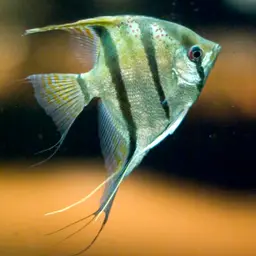
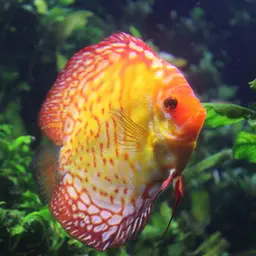
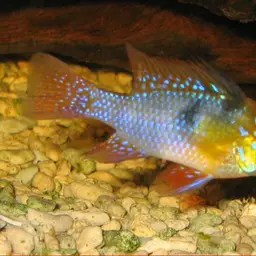
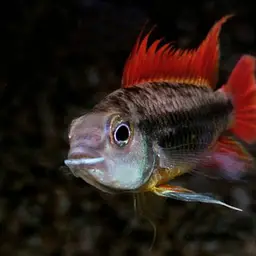
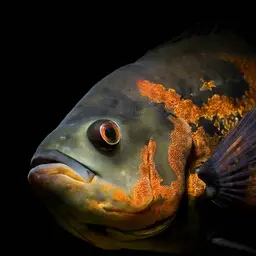
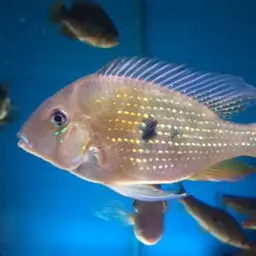
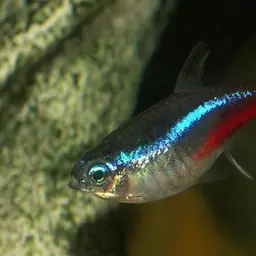
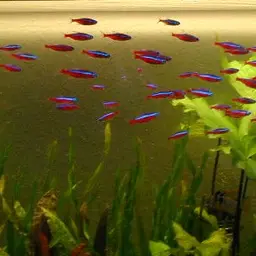
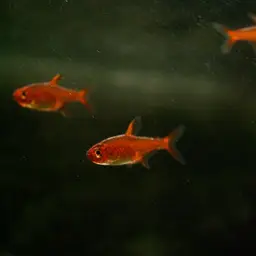
Good tank mates
Species that tend to coexist peacefully with Viejita Apisto
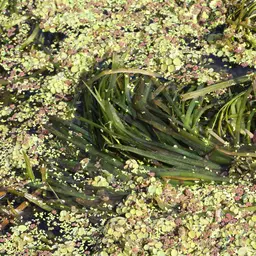
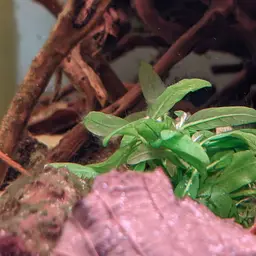
From the same region
Share the same natural habitat. Great for a biotope-themed tank
Frequently asked questions
- How big does the Viejita Apisto get?
- The Viejita Apisto reaches about 0.5–3" as an adult.
- What size tank does the Viejita Apisto need?
- A minimum of 16 gallons is recommended for the Viejita Apisto.
- What water parameters does the Viejita Apisto need?
- The Viejita Apisto does best with a temperature of 73–86°F, a pH of 5.5–6.5, hardness around 1–10 dGH.
- Is the Viejita Apisto aggressive?
- The Viejita Apisto is semi-aggressive. It can work in a community with careful tankmate choices and enough space.
- What does the Viejita Apisto eat?
- The Viejita Apisto is an omnivore. It does well on a varied diet of quality flake or pellet plus occasional frozen or live foods.
- How long does the Viejita Apisto live?
- With good care, the Viejita Apisto typically lives 2-3 years.