Acan Lord
Acanthastrea lordhowensis
Also known as: starry cup coral
Bold, colorful LPS coral with a territorial streak worth respecting.

About
Acan Lord (Acanthastrea lordhowensis) is one of the more sought-after large polyp stony corals in the reef hobby, and for good reason. Its fleshy, disc-like polyps come in an extraordinary range of color combinations, deep reds, purples, oranges, and greens often appearing together on a single colony, making each specimen genuinely unique. In the wild it's found across a broad stretch of the Western Pacific, from Malaysia east through Melanesia, north to Japan, and south to the coast of New South Wales. It occupies reef environments from shallow water down to around 30 meters, which hints at its adaptability to varying light conditions in the aquarium. What newer reefers sometimes underestimate is this coral's aggressive side. Acan Lords will extend sweeper tentacles to sting neighboring corals, so placement matters. Give it enough space that its reach doesn't cause problems for nearby frags or colonies. It falls into the intermediate care bracket, meaning a stable, established reef system is really a prerequisite before adding one. Feed it periodically with meaty foods and it tends to reward that attention with noticeably fuller, more colorful polyps. A well-kept colony is genuinely impressive to watch, especially when polyps are fully extended at feeding time.
Similar species
Other coral you might consider
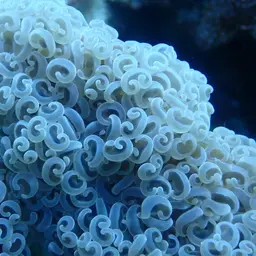
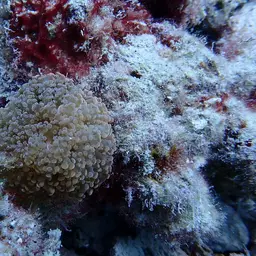
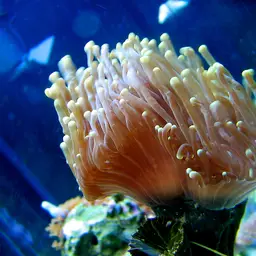
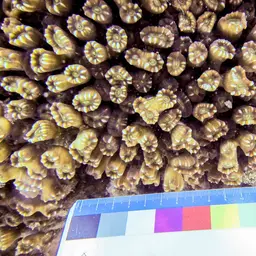
From the same region
Share the same natural habitat. Great for a biotope-themed tank
Frequently asked questions
- What water parameters does the Acan Lord need?
- The Acan Lord does best with a temperature of 72–82°F, a pH of 8–8.4.
- Is the Acan Lord aggressive?
- The Acan Lord is semi-aggressive. It can work in a community with careful tankmate choices and enough space.
- What does the Acan Lord eat?
- The Acan Lord is a carnivore. It needs a meaty, protein-rich diet of frozen or live foods.
- Is the Acan Lord reef safe?
- The Acan Lord is generally considered reef safe.