Torch Coral
Euphyllia glabrescens
Flowing tentacles and a potent sting make this reef showpiece a handful to keep.

About
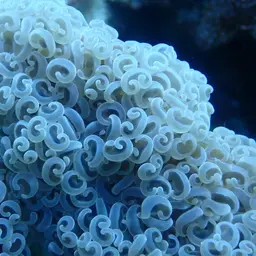
Torch coral (Euphyllia glabrescens) is one of the most recognizable large-polyp stony corals in the hobby, and for good reason. Its long, tubular tentacles extend well beyond the skeletal cups during feeding, tipped with rounded, knob-like ends that give the whole colony a soft, almost hypnotic movement in the current. Coloration typically runs from grey-blue to grey-green, with tentacle tips that can be cream, white, green, or pink depending on the individual. The skeleton itself forms separate corallites with thin, sharp-edged walls spaced a short distance apart, a growth form known as phaceloid. In the wild, this species turns up across a broad sweep of the Indo-Pacific, anywhere from shallow reef crests down to around 40 meters, so it adapts to a range of lighting and flow conditions in the aquarium. That said, it carries a genuinely powerful sting, capable of damaging neighboring corals and causing a real irritation to bare skin, so gloves are non-negotiable when placing or repositioning it. Feeding behavior leans nocturnal in the wild, but with some patience, most colonies can be coaxed into accepting target feeding during the day. This is a rewarding coral for someone past the beginner stage who has a stable, well-established reef system.
Similar species
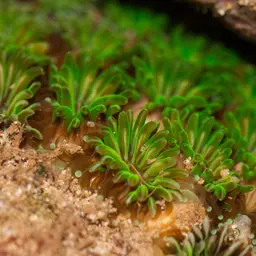
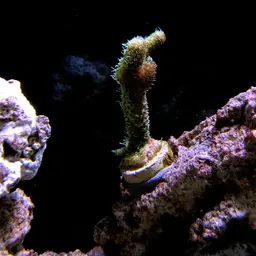
Other coral you might consider
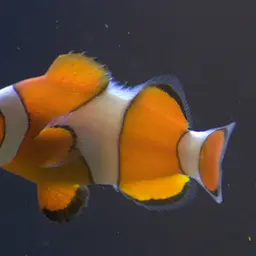
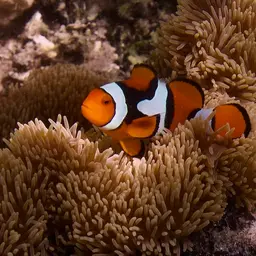
Good tank mates
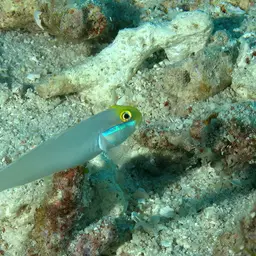
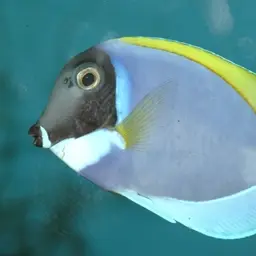
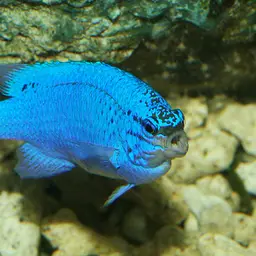
Species that tend to coexist peacefully with Torch Coral
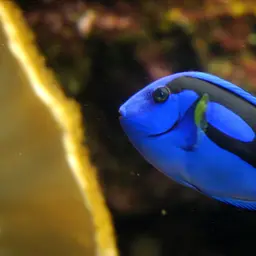
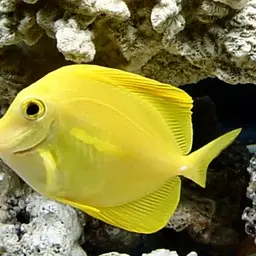
From the same region
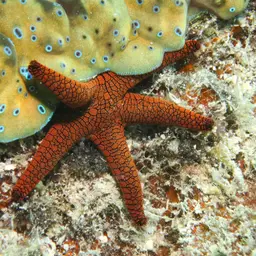
Share the same natural habitat. Great for a biotope-themed tank
Frequently asked questions
- How big does the Torch Coral get?
- The Torch Coral reaches about 0.5–4" as an adult.
- What water parameters does the Torch Coral need?
- The Torch Coral does best with a temperature of 72–82°F, a pH of 8.1–8.4.
- What does the Torch Coral eat?
- The Torch Coral is a filter feeder. It eats tiny particles suspended in the water and usually needs target feeding in a home tank.
- Is the Torch Coral reef safe?
- The Torch Coral is generally considered reef safe.