Apricaphanius baeticus
Aphanius baeticus
A critically rare Spanish killifish that rewards dedicated keepers willing to help conserve it.

About
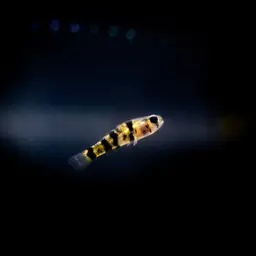
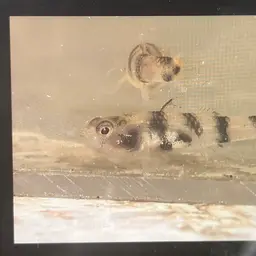
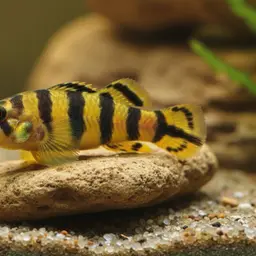
Found along a narrow stretch of Spain's Atlantic coast between Huelva and the Gulf of Cadiz, this small killifish, Aphanius baeticus, occupies a surprisingly diverse range of coastal habitats. Tidal canals, shallow lagoons, and brackish streams with silty bottoms and salinities that can swing from fresh to hypersaline. It was only formally recognized as its own species in 2002, when genetic work revealed it to be clearly distinct from the closely related Aphanius iberus, despite the two having been confused for years. Males display thicker vertical body bars than their relative, while females show a few large dark flank markings rather than many small ones. Subtle but real differences once you know what to look for. In the wild, populations are under serious pressure from invasive fish species, and collection is currently prohibited, so if you encounter one it will be through a specialist breeder or conservation-minded club. That context matters: keeping this species carries real responsibility. It does best in a species-only setup, where a small group with more females than males allows its interesting territorial and spawning behaviors to play out naturally. Males become more intensely colored when dominant and actively compete for spawning access. Breeding in captivity is quite achievable, and given the conservation situation, propagation is genuinely meaningful work for the keeper willing to commit.
Similar species
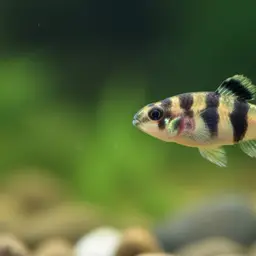
Other fish you might consider
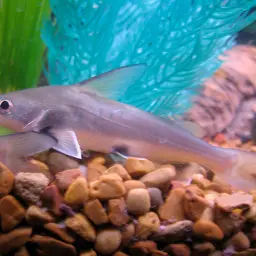
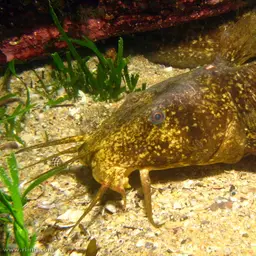
Good tank mates
Species that tend to coexist peacefully with Apricaphanius baeticus

Frequently asked questions
- How big does the Apricaphanius baeticus get?
- The Apricaphanius baeticus reaches about 1–2" as an adult.
- What size tank does the Apricaphanius baeticus need?
- A minimum of 29 gallons is recommended for the Apricaphanius baeticus.
- What water parameters does the Apricaphanius baeticus need?
- The Apricaphanius baeticus does best with a pH of 7–9, hardness around 10–35 dGH.
- Is the Apricaphanius baeticus aggressive?
- The Apricaphanius baeticus is semi-aggressive. It can work in a community with careful tankmate choices and enough space.
- What does the Apricaphanius baeticus eat?
- The Apricaphanius baeticus is a carnivore. It needs a meaty, protein-rich diet of frozen or live foods.