Platy
Xiphophorus maculatus
Also known as: Bumblebee platy, Rainbow Platy, Southern Platyfish, Sunburst Highfin Platy
The beginner-proof livebearer that comes in more color forms than you can count.

About
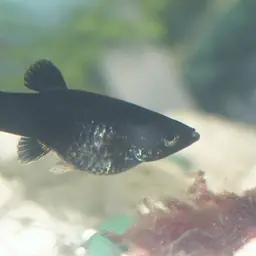
The platy (Xiphophorus maculatus) is about as close to a sure thing as fishkeeping gets, and it's earned that reputation many times over. Native to slow-moving canals, warm springs, ditches, and swampy creeks from coastal Mexico down to northern Belize, wild fish are almost never the ones you'll find at your local shop. Instead, decades of selective breeding have produced dozens of distinct color forms, from tuxedo and wagtail to mickey mouse and hi-fin, some developed through crosses with related swordtails and variatus platies. Males are smaller and slimmer with a modified anal fin; females are noticeably rounder, especially when gravid. Temperamentally, platies are about as easy-going as fish come. Males don't squabble the way some swordtails do, and they mix well with nearly any peaceful community species. That said, males will persistently court females, so keeping two or three females per male is genuinely good advice rather than just a suggestion. Breeding happens whether you plan for it or not, with broods of up to 80 fry possible after a four-to-six week gestation. One honest caveat: commercially produced platies are sometimes weakened by inbreeding, so sourcing from a reputable supplier makes a real difference. For a beginner building their first community tank, few fish are more forgiving.
Varieties & strains
23 recognized strains of Platy.
Similar species
Other fish you might consider
Good tank mates
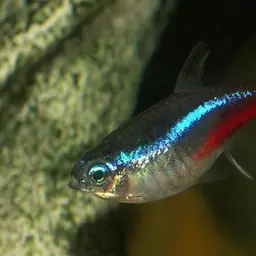
Species that tend to coexist peacefully with Platy



From the same region
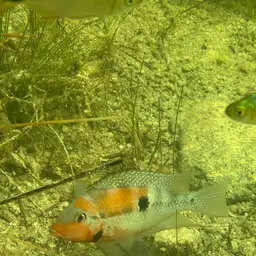
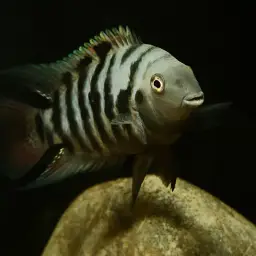
Share the same natural habitat. Great for a biotope-themed tank
Frequently asked questions
- How big does the Platy get?
- The Platy reaches about 2–2.5" as an adult.
- What size tank does the Platy need?
- A minimum of 16 gallons is recommended for the Platy.
- What water parameters does the Platy need?
- The Platy does best with a temperature of 68–82°F, a pH of 7–8.3, hardness around 7–30 dGH.
- Is the Platy aggressive?
- The Platy is generally peaceful and suits a community tank with similarly calm tankmates.
- What does the Platy eat?
- The Platy is an omnivore. It does well on a varied diet of quality flake or pellet plus occasional frozen or live foods.
- How long does the Platy live?
- With good care, the Platy typically lives 3 years.