Tooth Coral, Scarlet Coral
Balanophyllia (Balanophyllia) europaea
Also known as: european star coral, pig-tooth coral, Scarlet Coral, Tooth Coral
A rare cold-water solitary coral that thrives in dim, cool reef conditions.

About
Tooth Coral (Balanophyllia europaea), also known as Scarlet Coral, is a solitary stony coral native to the Eastern Atlantic, where it colonizes rocky walls, overhangs, and deeper reef zones that receive little direct sunlight. Unlike the tropical corals that dominate most reef aquariums, this species is adapted to cooler, dimmer conditions. A trait that immediately sets it apart from the typical reef tank resident and shapes everything about how you'd keep it. Each polyp grows as a single cup-shaped corallite, often displaying rich orange and red tones that make it visually distinct without needing bright illumination to show well. In the wild it tends to grow on vertical or shaded substrates, which is an useful clue for positioning it in the aquarium away from direct, intense light. Moderate water movement suits it well, replicating the gentle surge of its natural deeper-water habitat. Because of its cold-water origins and specific lighting preferences, this isn't a coral you'd drop into a standard tropical reef setup without some planning. Hobbyists with species-appropriate systems or cold-water marine tanks will find it a genuinely interesting subject. It's rated intermediate in care, largely because matching its environmental preferences demands more deliberate setup than most commonly kept corals.
Similar species
Other coral you might consider
Good tank mates
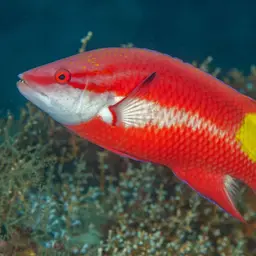
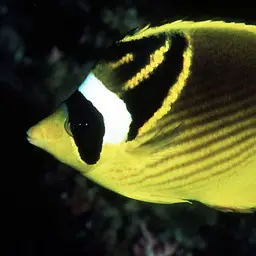
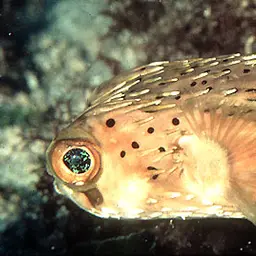
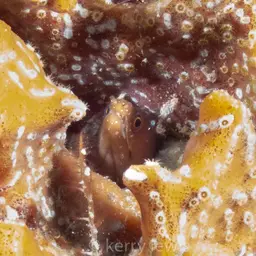
Species that tend to coexist peacefully with Tooth Coral, Scarlet Coral
From the same region
Share the same natural habitat. Great for a biotope-themed tank
Frequently asked questions
- What does the Tooth Coral, Scarlet Coral eat?
- The Tooth Coral, Scarlet Coral is a filter feeder. It eats tiny particles suspended in the water and usually needs target feeding in a home tank.
- Is the Tooth Coral, Scarlet Coral reef safe?
- The Tooth Coral, Scarlet Coral is generally considered reef safe.