Bristlenose Pleco
Ancistrus cirrhosus
Also known as: Jumbie teta
The algae-scrubbing catfish with a face only a fishkeeper could love.

About
The bristlenose pleco (Ancistrus cirrhosus) is one of the most recognizable catfish in the freshwater hobby, largely because of the bizarre fleshy tentacles that sprout from the snout of adult males. Females may develop smaller bristles around the edges of the snout, but the males take things to a whole other level, sometimes looking like they lost a fight with a cactus. That quirky appearance aside, these fish earn their keep as genuinely useful members of a community tank, spending most of their waking hours rasping algae from glass, wood, and decor. They originate from the rivers and streams of South America, where they cling to submerged wood and rocky surfaces in fast-moving water. In the aquarium they appreciate a similar setup, and a good chunk of driftwood is worth including both as cover and as a dietary supplement, since they naturally graze on wood as part of their diet. Compared to the common pleco, bristlenoses stay at a manageable size, which makes them far more practical for the average home aquarium. They are generally peaceful with other fish, though males can be territorial with each other, especially in confined spaces. A solid choice for intermediate keepers looking for a hardworking bottom dweller.
Similar species
Other fish you might consider
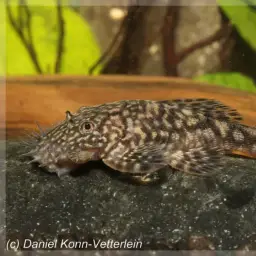
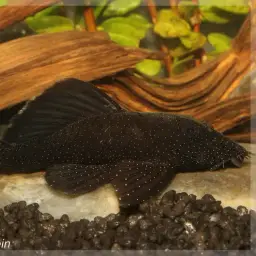
Good tank mates
Species that tend to coexist peacefully with Bristlenose Pleco
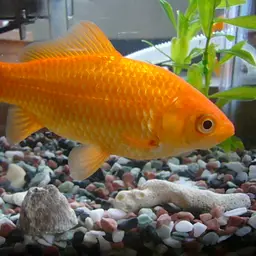
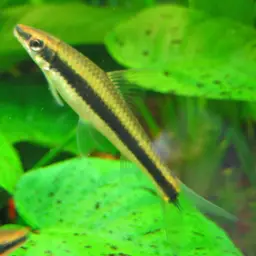
Frequently asked questions
- How big does the Bristlenose Pleco get?
- The Bristlenose Pleco reaches about 3.5–5.5" as an adult.
- What water parameters does the Bristlenose Pleco need?
- The Bristlenose Pleco does best with a temperature of 72–82°F, a pH of 6–7.5, hardness around 3–30 dGH.
- Is the Bristlenose Pleco aggressive?
- The Bristlenose Pleco is generally peaceful and suits a community tank with similarly calm tankmates.
- What does the Bristlenose Pleco eat?
- The Bristlenose Pleco is a herbivore. It needs a plant-based diet such as algae, blanched vegetables, or spirulina-based foods.